


Review Article
Exploring the Medicinal Properties of Ficus carica: A Pharmacognostic Perspective
Shamema A* and Praveen Kumar K
Department of Pharmacology Jawaharlal Nehru Medical College, Aligarh Muslim University Aligarh, UP, India
*Corresponding author:Dr. Shamema A, Department of Pharmacology, Jawaharlal Nehru Medical College, Aligarh Muslim University Aligarh, UP, India. Email Id: shamemasheik1717@gmail.com
Copyright: © Shamema A, et al. 2025. This is an open access article distributed under the Creative Commons Attribution License, which permits unrestricted use, distribution, and reproduction in any medium, provided the original work is properly cited.
Article Information: Submission: 23/06/2025; Accepted: 19/07/2025; Published: 22/07/2025
Abstract
Ficus carica, a deciduous shrub, often known as fig, has long been used in traditional medicine across many countries. It is indigenous to the Mediterranean and adjacent regions of Asia, but now, it is grown in all parts of the globe including Africa and the Americas and is appreciated not only for its health benefits but also its value in therapy. Various plant components, such as fruit, leaves, latex and bark have been utilized in treating a wide variety of conditions, such as digestive, skin, lung as well as metabolic diseases. The pharmacological activities of F. carica are associated with the wide range of phytochemicals found in this fruit, including volatile compounds, coumarins, anthocyanins, phenolic acids, and flavonoids. Its conventional assertions have been proved based on scientific research that proved that it has antioxidant, anti-inflammatory, hepatoprotective, hypoglycemic, antimicrobial, anticancer, and even antiplatelet actions. It has also shown effectiveness in reducing fever, cholesterol and as well as blood glucose and was found antispasmodic and antimutagenic. In addition, its extracts have been said to have nematicidal and antitubercular activity. The toxicity studies indicate a large safety margin at therapeutic levels of dosage. Its fruit does not only contain a significant amount of valuable nutrients but also turns out a type of functional food, which is due to the action of bioactive compounds. This is a review of existing information on botanical, phytochemical, pharmacological, and agronomical properties of the Ficus carica. Considering the development of herbal therapeutics, the plant is one of the best that can be explored further. Nevertheless, they require further investigations especially clinical trials to complete the mechanism of action and increase the certainty of their use in medicine today.
Introduction
Ficus carica, a deciduous shrub or tree popularly called Fig.
It grows well in warm climates, particularly in the Mediterranean
region, Western Asia, and India, such as in Maharashtra and
Karnataka. It is part of the Moraceae (mulberry) family, in which its
properties in medicinal values are not only limited to the fruits but
also the leaves, the bark, and the latex as well [1]. F. carica contains
different phytochemical components, namely, flavonoids, alkaloids,
coumarins, triterpenoids, saponins, and phenolic compounds, hence
these medicinal properties of this plant have been realized. Ficin,
bergapten, and psoralen are some of the major bioactive compounds
found in them, which are famous due to their medicinal benefits
[2]. Fig has long been considered a remedy against gastrointestinal
conditions, skin diseases, and respiratory infections, and it is also
known as a weak laxative[3]. More scientific studies proved that it has
antioxidant, anti-inflammatory, hepatoprotective, and hypoglycemic
effects [4], including its value in the overall pharmacology and
showing its great importance in contemporary herbal medicine.
Habitat:
Ficus carica L. known as the common fig, which belongs to the
Moraceae family, is indigenous to the eastern Mediterranean and
Southwest Asia [Figure 1]. It is assumed that it is one of the first types
of fruit crops that have been used by people, as it was domesticated
more than 11,000 years ago. Figs are an agricultural commodity that
is of value in fresh and dried form today. The Middle East, the region
of origin of the fig, remains the greatest producer, thus contributing
to the world production that is more than 1.3 million tonnes per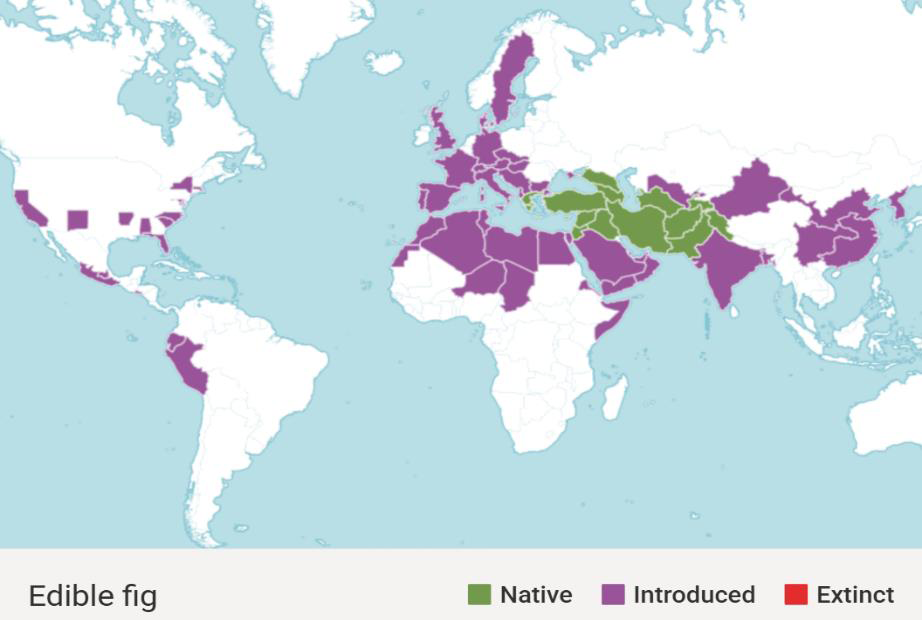
year. The Romans brought figs to Britain, and they are now grown as
ornamentals in gardens and parks all around the nation [5]
Description
Ficus carica L. belongs to the Moraceae family and the Urticales
order, which includes over 1,400 species grouped into approximately
40 genera. The fig plant usually grows to a height of 7 to 10 meters (23
to 33 feet) and resembles a large shrub or small deciduous tree, and
is characterized by its smooth, pale bark. The leaves are notably large,
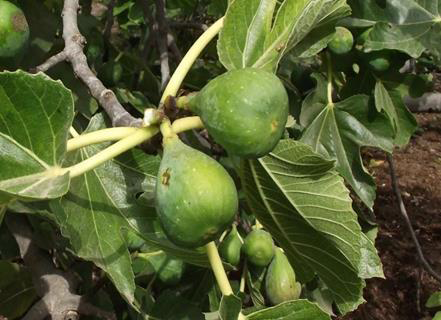
each divided into three to five deeply cut lobes. The fig fruit, known
as a syconium, is tear-shaped and measures around 3 to 5 centimetres
(1–2 inches) in length. Initially green, the skin of the fruit may change
to a purplish or brown hue as it ripens. The inner flesh is soft, sweet,
and reddish in color, filled with numerous small, crunchy seeds [6]
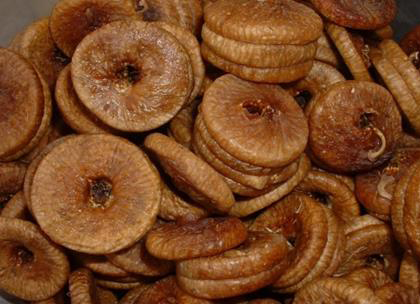
([Figure 2]. raw fruit of fig; [Figure 3]. dried fig)
Scientific Classification:
Kingdom- PlantaeSubkingdom-Tracheophtyes
Phylum- Spermatophyta
Superdivision- Angiosperms
Division- Eudicots
Class- Dicotyledonae
Order- Utricales
Family- Moraceae
Genus- Ficus
Species: F. carica
5. Vernacular Names
English- Common fig
Ayurveda- Udumbara
Hindi- Anjir
Bengali- Dumur
Kashmir- Unjoor
Tamil- Atthi pazham
Malayalam- Atthi pazha
Kannada- Anjura
Telugu- Bodda/ Atthi pallu
Kashmir- Unjoor
Tamil- Atthi pazham
Malayalam- Atthi pazha
Kannada- Anjura
Telugu- Bodda/ Atthi pallu
Morphology
Macroscopic:
With smooth white bark, Ficus carica is a big shrub, gynodioecious
tree that can reach heights of 7 to 10 meters (23 to 33 ft). Its leaves are
fragrant and deeply lobed, usually with three to five lobes, measuring
12 to 25 cm (about 4½ to 10 inches) between 10 and 18 cm (4 – 7
inches) in length and width. Its bark is somewhat roughened and
grey, and its roots are not adventitious. The fig fruit emerges as the
syconium, a fleshy, hollow structure coated with many unisexual
blooms [7]. This cup-shaped structure is where the little flowers
blossom. Despite being referred to as a fruit, the syconium is a type of
fruit known as an infructescence.Microscopic:
Serrated and petiolated leaves have cordate bases, palmate lobed,
undulate and irregularly dentate edges, acute to obtuse apexes,
scabrous-pubescent surfaces, and obovate, nearly orbiculate, or ovate
leaf blades. The epidermis, a distinct cortex, and the conducting
tissue—represented by two rings of phloem and xylem elements—
make up the petiole. The bifacial blade features a fascicular vascular
system and a heterogeneous, hipostomatic mesophyll. A single-
layered hypodermis containing lithocysts and cystoliths follows the
upper epidermis. The petiole and blade also have simple one-celled
non-glandular trichomes and anomocytic stomata.Male flowers have four joined sepals with lanceolate lobes, and
four filamentous stamens with oblong, protruding anthers. Females
have pedicellate flowers, four sepals, lanceolate-oblong lobes, a
lateral-styled ovary, and either an entire or two-fid stigma. Figs are
typically pyriform-obovoid, glabrous or briefly hispid, yellowish to
brownish violet, and 2–5 (-8) cm in diameter[8].
Cultivation And Agronomic Requirements:
The optimal requirement for the cultivation of F. carica is
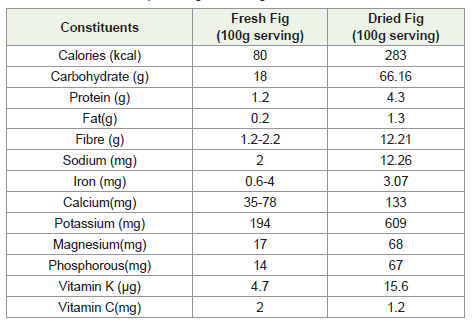
described in [Table 1] [9]Nutritional Value of Ficus Carica:
Raw figs consist primarily of water (approximately 79%). Upon
drying, the water content of figs reduces to approximately 30%, which
leads to a concentration of their nutritional components. Nutrition
obtained from a 100 g serving of dried figs is mentioned below in
[Table 2] [10,11].Phytochemical Constituents:
Phytochemical investigations of Ficus carica have identified
a wide range of bioactive constituents distributed across various
parts of the plant. These comprise a number of volatile components,
including other secondary metabolites, include ketones, esters,
aldehydes, aliphatic alcohols, and hydrocarbons, as well as phenolic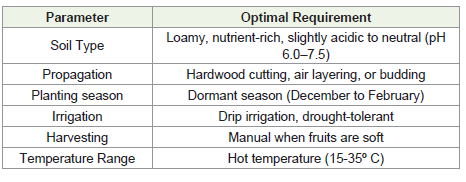
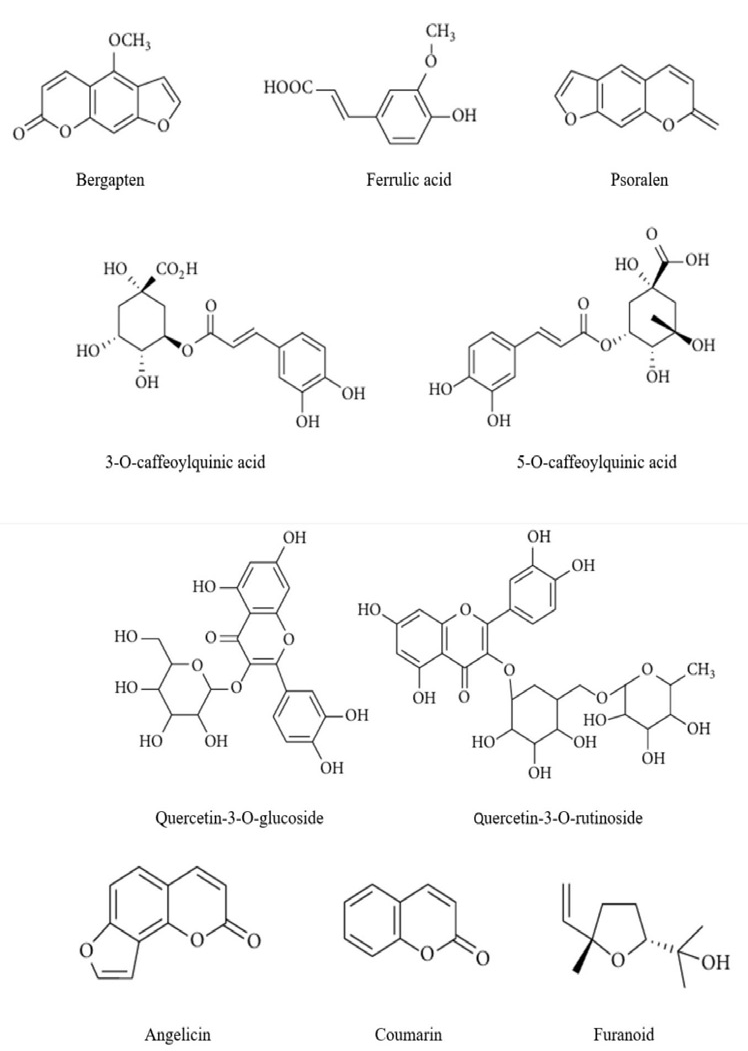
compounds, phytosterols, organic acids, triterpenoids, anthocyanins,
and coumarins (Figure 4). Interestingly, it has been discovered that
various portions of the species include volatile chemicals, organic
acids, and phenolic acids [12].
Quercetin-3-O-glucoside, ferulic acid, 3-O- and 5-O-caffeoylquinic acids, and quercetin-3-O-rutinoside are among the phenolic acids that have been extracted from the water-based extract of F. carica leaves. Additionally, organic acids, including citric, fumaric, quinic, malic, oxalic, and shikimic acids, were obtained from the same extracts. Furthermore, coumarin was isolated using the separation of methanol extracts of F. carica leaves guided by bioassay[13]
Volatile compounds in F. carica leaves have been found to encompass various chemical classes, including aldehydes, alcohols, esters, ketones, and other miscellaneous compounds, with psoralen identified as a key component [14]
Quercetin-3-O-glucoside, ferulic acid, 3-O- and 5-O-caffeoylquinic acids, and quercetin-3-O-rutinoside are among the phenolic acids that have been extracted from the water-based extract of F. carica leaves. Additionally, organic acids, including citric, fumaric, quinic, malic, oxalic, and shikimic acids, were obtained from the same extracts. Furthermore, coumarin was isolated using the separation of methanol extracts of F. carica leaves guided by bioassay[13]
Volatile compounds in F. carica leaves have been found to encompass various chemical classes, including aldehydes, alcohols, esters, ketones, and other miscellaneous compounds, with psoralen identified as a key component [14]
The fruits and bark of F. carica have also been found to contain
up to fifteen different anthocyanin pigments, predominantly
pelargonidin derivatives and cyanidin as the aglycone structure[15]
Likewise, the pulp and peel have been found to contain phenolic acids, including 3-O- and 5-O-caffeoylquinic acids, ferulic acid, and compounds of quercetin, as well as coumarins like bergapten and psoralen. (Figure 3.8). Besides, the fruits contained such types of sugars as glucose, sucrose, fructose, anthocyanins among other phenolic compounds[16]
Likewise, the pulp and peel have been found to contain phenolic acids, including 3-O- and 5-O-caffeoylquinic acids, ferulic acid, and compounds of quercetin, as well as coumarins like bergapten and psoralen. (Figure 3.8). Besides, the fruits contained such types of sugars as glucose, sucrose, fructose, anthocyanins among other phenolic compounds[16]
Toxicity And Safety Profile:
Studies on the acute toxicity of F. carica extracts in ethanol,
petroleum, as well as chloroform revealed that a dose of 5000 mg/kg
body weight was safer [17]. Another study, conducted in accordance
with OECG recommendations 423, found no toxicity until a dose
of 2000 mg/kg body mass and was deemed safer at the suggested
therapeutic doses[18].Traditional Uses:
Ficus carica has traditionally been valued for its emollient,
soothing, cooling, laxative, and nutritive properties[19]In traditional medicine, the edible fruits are frequently used to cure ailments such as hemorrhoids, insect bites, gout, ulcers, and various skin issues, including warts and viral infections[20,21]
These fruits have also been recommended for managing constipation, supporting nutrition during pregnancy, and reducing both mental and physical fatigue[22]
Traditionally, they have been regarded as antipyretic, tonic, purgative, alexipharmic (detoxifying), aphrodisiac, lithontriptic (stone-dissolving), anti-inflammatory, expectorant, and diuretic[23]
The plant has been used for managing pharyngitis, gastritis, bronchitis, dry cough, weakness, paralysis, excessive thirst, liver and spleen disorders, chest pain, and even conditions such as leprosy and nosebleeds. It has also been used to promote hair growth[15]
The root has traditionally served as a tonic and has been applied in the treatment of leukoderma and ringworm [12].
Pharmacological Studies
Antioxidant Activity:
The antioxidant potential of F. carica fruit was evaluated across
six commercial fig varieties of different colors (black, red, yellow,
and green). Analysis was done on parameters such flavonoids,
anthocyanins, antioxidant capacity, as well as total polyphenol
concentration. The antioxidant activity was assessed using the ferric
reducing antioxidant power (FRAP) method. The fruits, particularly
those with higher concentrations of flavonoids, anthocyanins, and
phenolic substances, had strong antioxidant potential. Different
anthocyanin proportions were seen using RP-LC, although all varieties
analysed showed comparable patterns. The main aglycone was
identified in numerous studies as cyanidin. The primary anthocyanin
in all fruits was cyanidin-3-O-rutinoside (C3R), according to NMR
data [10,24].Antimicrobial Activity:
A substantial antibacterial activity against oral bacteria was
demonstrated by the methanol extract of F. carica fruit, with MIC
values that range from 0.156 to 5 mg/ml and MBC values of 0.313
to 5 mg/ml. The extracts showed synergistic effects when F. carica
was combined with antibiotics such as ampicillin or gentamicin.
The antibacterial capabilities of F. carica latex extract against five
distinct bacterial species as well as seven distinct fungus strains were
investigated in vitro using the disc-diffusion method [25].At 500 g/ml, Candida albicans was totally suppressed (100%)
and Cryptococcus neoformans suffered, according to the methanol
fraction’s MIC results. Methanolic extract also significantly
suppressed Microsporum canis, especially in the extracts of methanol
and ethyl acetate.
Hepatoprotective Activity:
Petroleum ether extracts from F. carica leaves, especially in the
extracts of ethyl acetate and methanol. The extract significantly
countered the drug-induced liver damage by improving biochemical,
histological, and functional parameters[26].Hypoglycemic Activity:
The leaf extract dramatically lowered blood sugar levels in
streptozotocin-diabetic mice when either intraperitoneally or
orally. Treated animals showed reduced weight loss and improved
survival rates, which were linked to elevated plasma insulin levels.
The findings unequivocally demonstrate the hypoglycemic impact of
F. carica’s aqueous extract [27].Anticancer Activity:
It has been demonstrated that a mixture of 6-O-acyl-â-D-glucosylâ-
sitosterols, primarily palmitoyl and linoleyl with traces of stearyl
and oleyl, is a strong cytotoxic agent from the latex of soybeans and
figs (Ficus carica). Spectroscopic methods (NMR, MS) were utilised
to confirm identity, and chemical synthesis was employed to confirm
it. The proliferation of numerous cancer cell lines was inhibited in
vitro by both natural and synthetic substances[28]Antimutagenic Activity:
The antimutagenic properties of F. carica plant extract were
evaluated against ambient xenobiotics. It reduced mutation rates
caused by NAF in rat bone marrow cells, chlorophyll mutations in
Arabidopsis thaliana, and MNNG-induced genetic changes in Vicia
faba cells. The findings suggest that F. carica extract can protect
against the genotoxic effects of environmental agents [29].Antispasmodic Activity:
In rabbit jejunum tissue, the antispasmodic properties of
aqueous ethanolic extracts from ripe, dried F. carica fruit were
evaluated. Analogous to the activity of cromakalim, the extract eased
spontaneous as well as low-potassium (25 mM)-induced contraction
without influencing high-potassium (80 mM)-induced contractions.
Alkaloids, flavonoids, coumarins, saponins, sterols, as well as terpenes
may all contribute to its action by activating the K-ATP channel[30].Antiplatelet Activity:
In human platelet-rich plasma, the ability of F. carica to prevent
platelet aggregation was assessed in relation to ADP and adrenaline.
The extract prevented aggregation at doses of 0.6 as well as 1.2 kcal/
ml. Interestingly, ficin, a bioactive compound in the plant, is also
known for its hemostatic role via Factor X activation[30].Nematicidic Activity:
Bursaphelenchus xylophilus, Panagrellus redivivus, as well as
Caenorhabditis elegans were the nematodes used to investigate the
nematicidal effects of methanol extracts from 40 plant species. The
highest nematicidal activity was demonstrated by the Ficus carica
L. leaf extract, which resulted in 72-hour mortality rates of 74.3%,
96.2%, and 98.4%, respectively. A coumarin was produced using
bioassay-directed fractionation. Based on spectroscopic data, the
substance was identified as psoralen. Against the nematodes put to
the test, it exhibited nematicidal activity[31].Antipyretic Activity:
At doses of 100, 200, and 300 mg/kg, the ethanolic extract of Ficus
carica effectively decreased both the normal body temperature and
the increased body temperature caused by yeast. The effect lasted for
five hours after the medication was given. Ficus carica ethanol extract
exhibited antipyretic properties similar to those of the widely used
antipyretic drug paracetamol (150 mg/kg body weight, p.o.)[32]Antitubercular Activity:
Using a colorimetric experiment, a methanolic extract of Ficus
carica leaves has demonstrated inhibition against Mycobacterium TB,
with a minimum inhibitory concentration (MIC) of 1600μg/ml[26]Hypolipidemic Activity:
A novel study was conducted to show that the leaf extract of Ficus
carica (1.7, 2.5, and 3.3μl) has modulated the action of insulin and
stimulated the lipolytic action. It has significantly (P < 0.001) reduced
insulin-induced cholesterol secretion and triglyceride content in
hepatocytes[33]. Another study, in which rats were given high-fat
diet for 12 weeks, test groups were given ethanolic extract of Ficus
pulp, with a positive control group given Atorvastatin for the last 8
weeks. Baseline values of body weight, lipid profile, and LDL/HDL
ratio was measured at the 4th, 8th, and 12th week of the experiment.
They have demonstrated that the pulp of Ficus carica has significantly
improved fasting lipid profile, LDL/HDL ratio, and significantly
increased HDL compared to Atorvastatin-treated groups, concluding
that Ficus carica has marked anti-hyperlipidemic properties[34]Conclusion
Ficus carica is a deciduous shrub or tree with a long history of
medicinal and traditional uses. We conclude that F. carica is a treasure
to modern medicine, with its antioxidant, anti-inflammatory, and
various other properties that are helpful in treating the human
population. This review has shed light on its agronomy, cultivation,
and medicinal uses, which will be helpful for future researchers to
explore the versatility of this plant and uncover its full therapeutic
potential. Furthermore, researches are needed to fully explain the
molecular mechanism and compounds responsible for its action,
and inculcating such compounds in clinical trial for their efficient
usage.
Acknowledgement
We hereby thank all the authors, institutions, and publishers of
the articles from which the review was written.
References
4. Duke JA (2002) Handbook of Medicinal Herbs [Internet]. 0 ed. CRC Press; 2002 [cited 2025 Jun 22].
9. Baisakhi D(2000)How to Cultivate Fig Trees: Intro, Requirements, Propagation, Harvesting [Internet].
Citation
Shamema A, Praveen Kumar K. Exploring the Medicinal Properties of Ficus carica: A Pharmacognostic Perspective. J Plant Sci Res. 2025;12(2): 284