


Research Article
Effect of Traditional and Contemporary Cooking Techniques on the Nutritional Quality of Different Rice (Oryza sativa) Varieties: A Comparative Study
Keerthana S, Shruti. SN, Hershal T and Akshatha*
Department of Food Science and Nutrition, Padmashree Institute of Management and Sciences, Bangalore, India
*Corresponding author: : Akshatha, Department of Food Science and Nutrition, Padmashree Institute of Management and Sciences, Bangalore, India. E- mail Id: akshatha.pims@gmail.com
Article Information: Submission: 06/08/2026; Accepted: 05/09/2026; Published: 07/09/2026
Copyright:© 2026 Keerthana S, et al. This is an open access article distributed under the Creative Commons Attribution License, which permits unrestricted use, distribution, and reproduction in any medium, provided the original work is properly cited.
Abstract
Background: Rice (Oryza sativa) is a major staple food worldwide, and its nutritional quality is influenced by both rice variety and cooking method.
Methods: This study compared traditional cooking methods (open-vessel cooking, steaming and roasting followed by pressure cooking) with contemporary methods (pressure cooking and soaked pressure cooking) using white basmati, brown basmati and parboiled rice. Physical characteristics, proximate composition, nutrient retention and starch properties using standard analytical methods and analysed by one-way ANOVA (p < 0.05).
Results: Cooking method significantly influenced the physical, nutritional and starch properties of all rice varieties (p < 0.05). Pressure cooking produced the highest water uptake ratio (3.70), cooking yield (370%) and grain weight increase (270%) in white basmati rice. Brown basmati retained the highest dietary fibre (1.16 g/100 g) and ash (0.82 g/100 g), whereas parboiled rice exhibited the highest true density (1.90 g/cm³). Protein retention in open-vessel cooking of white basmati rice (105.72%), pressure cooking in brown basmati rice (96.20%) and roasting followed by pressure cooking in parboiled rice (175%). Roastedpressure-cooked white basmati rice showed the lowest starch (45.45%) and total sugar (50.50%) contents. Light microscopy confirmed progressive starch gelatinization during cooking and greater retrogradation in soaked pressure-cooked rice after cooling.
Conclusion: The results demonstrated that both rice variety and cooking method significantly influenced cooking quality, nutrient retention and starch behaviour. Selecting an appropriate cooking method for each rice variety can improve the nutritional and functional quality of cooked rice, providing valuable guidance for consumers, nutritionists, and the food industry.
Methods: This study compared traditional cooking methods (open-vessel cooking, steaming and roasting followed by pressure cooking) with contemporary methods (pressure cooking and soaked pressure cooking) using white basmati, brown basmati and parboiled rice. Physical characteristics, proximate composition, nutrient retention and starch properties using standard analytical methods and analysed by one-way ANOVA (p < 0.05).
Results: Cooking method significantly influenced the physical, nutritional and starch properties of all rice varieties (p < 0.05). Pressure cooking produced the highest water uptake ratio (3.70), cooking yield (370%) and grain weight increase (270%) in white basmati rice. Brown basmati retained the highest dietary fibre (1.16 g/100 g) and ash (0.82 g/100 g), whereas parboiled rice exhibited the highest true density (1.90 g/cm³). Protein retention in open-vessel cooking of white basmati rice (105.72%), pressure cooking in brown basmati rice (96.20%) and roasting followed by pressure cooking in parboiled rice (175%). Roastedpressure-cooked white basmati rice showed the lowest starch (45.45%) and total sugar (50.50%) contents. Light microscopy confirmed progressive starch gelatinization during cooking and greater retrogradation in soaked pressure-cooked rice after cooling.
Conclusion: The results demonstrated that both rice variety and cooking method significantly influenced cooking quality, nutrient retention and starch behaviour. Selecting an appropriate cooking method for each rice variety can improve the nutritional and functional quality of cooked rice, providing valuable guidance for consumers, nutritionists, and the food industry.
Keywords:Rice Cooking Methods; Nutrient Retention; Proximate Composition; Starch Gelatinization; Cooking Quality.
Introduction
Rice (Oryza sativa), one of the most cultivated cereal crops
worldwide, is the staple diet for more than half of the world’s
population. It therefore represents an essential source for global
food and nutritional security especially in Asia where it accounts
for a huge part of the daily intake. As one of the world’s largest
producers and consumers of rice, India produces a range of varieties
with varied culinary and nutritional properties. Because of its low
cost, widespread availability, and versatility in food preparation,
rice remains an essential food product for mankind and can fulfil an
important share of global energy intake [11]. Rice mainly consists of
carbohydrates which constitute 70-80% of dry weight primarily in
the form of starch. It is thus a prominent source of dietary energy.
Other major nutrients in rice include protein, which typically
ranges from 6-8% (with a minimal amount of fat), followed by a
small amount of fibre, vitamins, minerals, and diverse bioactive
compounds. Nutritional composition varies by variety and by the
type of processing applied to rice grain after harvest. However, brown
rice (which contains bran and germ layers) has higher amounts of
dietary fibre, B vitamins, vitamin E, magnesium, phosphorus, iron,
zinc and antioxidant compounds such as phenolics compounds as
compared to refined (polished) rice (which lacks these components
due to their removal during polishing, i.e. Removing bran and germ
layers), has more prolonged shelf life and is acceptable by consumers
[6]. Moreover, the consumption of a rice-containing diet (more
than a quarter of the dietary energy intake) has numerous health
benefits, especially whole grain rice due to the present bioactive
ingredients like dietary fibre, resistant starch and antioxidants,
which reduce cardiovascular disease, diabetes Type 2 risk, improve
lipid profile and gut health of human beings. They can also combat
oxidative stress and inflammation due to their antioxidant content
and are gluten-free; therefore, they are a choice for people with celiac
disease and gluten-intolerance conditions [40]. With the widespread
consumption of rice, domestic cooking techniques often influence the
nutritional value and nutrient bioavailability in cooked rice. Soaking,
boiling, steaming, pressure cooking, or absorption methods affect
moisture uptake, gelatinisation, yield, and nutrient loss or retention.
Cooking losses depend on the method used. Many B-vitamins and
some minerals, being water-soluble, leach into the cooking water
during boiling, especially if a large amount of water is used and it is
wasted after boiling. Steam and pressure cooking require little or no
water, which minimises nutrient losses, as these methods generally
have shorter cooking times than simple boiling, soaking before
boiling, or absorption cooking. In addition, cooking increases starch
gelatinisation and protein digestibility, making foods more palatable,
but it may also degrade heat-sensitive nutrients [33]. The aim of the
present study is to determine differences in selected nutrient contents
across selected varieties and compare their retention after using
different household cooking methods. The results will help identify
appropriate cooking methods for different rice varieties to retain
or enhance nutrients, supporting better consumer health through
informed choices and minimising deficiencies by adopting optimal
cooking methods. Therefore, this study investigates the impact of
different cooking techniques on retaining the selected nutritional
components of chosen rice varieties.
Methodology
Procurement of Samples
Three commercially available rice (Oryza sativa) varieties, namely
parboiled rice, white basmati rice and brown rice, were selected for
the study. The samples were purchased from a retail supermarket
in Bengaluru, Karnataka, India, in their original sealed packages
to ensure product quality and authenticity. All rice samples were
procured from the same production batch to minimise batch-to batch
variation. After procurement, the samples were transferred to
clean, labelled airtight containers and stored in a cool, dry place at
room temperature (25 ± 2°C) until further processing.
Sample Preparation:
Before cooking, the rice samples were manually sorted to remove
broken grains, foreign materials, stones and other visible impurities.
The cleaned samples were thoroughly washed with potable water to
remove adhering dust and surface contaminants. A representative 100
g sample from each rice variety was weighed using a digital analytical
balance (SIPLAB PG3100, India) with accuracy ±0.01 g and allocated
to the respective cooking treatments.Household Treatments Study Design:
The present study evaluated six cooking treatments: untreated raw
rice (T₀), soaking followed by pressure cooking (T₁), pressure cooking
(T₂), open-vessel cooking (T₃), steaming (T₄), and roasting followed
by pressure cooking (T₅). The cooking procedures were adapted
from [34] with minor modifications. For the soaking treatment, rice
samples were soaked in potable water at a 1:3 (w/v) rice-to-water
ratio for 30 min at room temperature to ensure uniform hydration
before cooking. Pressure cooking was carried out using a domestic
pressure cooker with a 1:2.5 (w/v) rice-to-water ratio for 15 min
(approximately three whistles). Open-vessel cooking was performed
by boiling the rice in water at a 1:4 (w/v) ratio for 25–30 min until
the grains became soft and fully cooked. Steaming was carried out in
a household steam cooker for 30 min using pre-soaked rice. For the
roasting treatment, rice grains were dry-roasted in a stainless-steel
pan over a moderate flame (approximately 120–140°C) for 5 min
with continuous stirring to prevent scorching. The roasted grains
were subsequently pressure-cooked under the same conditions. The
untreated raw rice served as the control throughout the study, as
represented in (Table 1). After cooking, the rice samples were spread
uniformly on stainless-steel trays and dried in a hot-air oven at 50–
55°C until they reached a constant weight (approximately 18–24 h).
The dried samples were cooled to room temperature in a desiccator
to prevent moisture absorption. Each sample was then ground using
a laboratory grinder and passed through a 60-mesh sieve to obtain a
uniform particle size. The powdered samples were packed in airtight
polyethene pouches, labelled and stored at ambient temperature until
further physicochemical and nutritional analyses.Chemicals and Reagents:
All chemicals and reagents used in the study were of analytical
reagent (AR) grade. Laboratory chemicals and consumables were
procured from Vasa Scientific Pvt. Ltd., Bengaluru, India. Toluene
was obtained from Fisher Scientific, India. Copper sulphate, sodium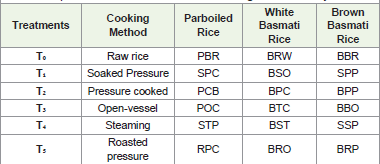
sulphate, sulphuric acid (H₂SO₄), sodium hydroxide (NaOH), boric acid, methyl red, hydrochloric acid (HCl), petroleum ether, ferric chloride and ethanol were purchased from S.D. Fine-Chem Ltd., Mumbai, India. Bromocresol green was procured from Rolex Chemical Industries, India. Distilled water was used throughout all experimental procedures.
Physical parameters:
True densityTrue density was determined using the liquid displacement method described by [5]. Approximately 10 g of whole rice grains were accurately weighed using a calibrated analytical balance (SIPLAB PG3100, India) and immersed in a graduated cylinder containing a known volume of toluene. The increase in liquid volume was recorded as the sample’s true volume.

Bulk Density:
Bulk density was determined according to [28]. A clean, dry 100
mL graduated cylinder was filled with rice grains without tapping or
compaction. The weight of the grains occupying the known volume
was recorded and bulk density was calculated as the ratio of sample
weight to bulk volume.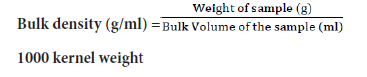
Thousand-kernel weight was determined as described in [18]
One thousand healthy, unbroken rice kernels were manually counted and weighed using a calibrated analytical balance (SIPLAB PG3100, India) with an accuracy of 0.001g used to assess grain size and physical quality.
One thousand healthy, unbroken rice kernels were manually counted and weighed using a calibrated analytical balance (SIPLAB PG3100, India) with an accuracy of 0.001g used to assess grain size and physical quality.
Nutrient Retention:
Nutrient retention was evaluated by comparing the total nutrient
content of processed and raw rice samples on a weight basis. The
retention percentage was calculated by dividing the total nutrient
content of the processed sample by that of the raw sample, then
multiplying by 100. This parameter was used to assess the effectiveness
of processing in preserving nutritional quality according to [35]
Cooking Yield:
Cooking yield was determined by measuring the weight gain after
cooking and was expressed as a percentage. It reflects the ability of
rice grains to absorb and retain water during cooking and serves as
an important indicator of cooking quality and processing efficiency
as per [2].
Percentage Increase in Weight:
Percentage increase in weight was used to evaluate the water
absorption and swelling behaviour of rice grains during cooking. The
parameter was calculated as the difference between final and initial
weights expressed as a percentage. Higher values indicate greater
hydration and improved cooking performance evaluated by [19].
Nutritive analysis:
The nutritional composition of the rice (Oryza sativa) samples
was determined using standard [4]. Moisture content was determined
by the hot-air oven method using a Servewell HAO 18.8 hot-air
oven (Servewell Instruments Pvt. Ltd., India). Protein content was
estimated by the Kjeldahl method [4] using a KELPLUS DISTYL
EM digestion and distillation system (Pelican Equipments, India)
with a nitrogen conversion factor of 6.25. Crude fat was determined
by the Soxhlet extraction method [4] using a SOCS PLUS 04B
solvent extraction system (Pelican Equipment, India). Crude fibre
was analysed using a FIBRA PLUS FES 4 fibre estimation system
(Pelican Equipments, India) according to [4], while ash content
was determined by incineration in a Servewell DTC 508 muffle
furnace (Servewell Instruments Pvt. Ltd., India) following [4]. Total
carbohydrate content was calculated by difference as described by
[38], and the energy value was estimated using the Atwater conversion
factors (4 kcal/g for protein, 4 kcal/g for carbohydrate and 9 kcal/g for
fat). Total sugars and starch were determined using the Lane–Eynon
titrimetric method [4].Phytochemical Test:
Qualitative AnalysisQualitative screening of selected vitamins and antinutritional compounds was carried out using standard fluorescence- and colour based methods. Fresh extracts were prepared from 5 g of powdered rice using appropriate analytical-grade reagents. The extraction mixture was shaken for 30 min, filtered through Whatman No. 1 filter paper, and analysed immediately. All determinations were performed in triplicate.
Thiamine (Vitamin B₁):
Thiamine was qualitatively determined using the fluorescence
method described by [8]. The sample extract was prepared using 0.1
N hydrochloric acid and examined under an ALPHA LINEAR UV
Transilluminator (Model 2222 V-TT, Alpha Linear Instruments,
India) at 365 nm. The appearance of characteristic blue fluorescence
was considered indicative of thiamine.Riboflavin (Vitamin B₂):
Riboflavin was qualitatively identified following the method
reported by [14]. The prepared extract was examined under an ALPHA
LINEAR UV Transilluminator (Model 2222 V-TT, Alpha Linear
Instruments, India) at 365 nm. The development of a characteristic
yellowish-green fluorescence confirmed riboflavin presence.Niacin (Vitamin B₃):
Niacin was assessed using the ferric chloride colour reaction
described by [12]. Mix approximately 2 mL of the extract with 1 mL
of 1% analytical-grade ferric chloride solution. The formation of a
light yellow to brownish colour indicated the presence of niacin.Phytate:
Phytate was evaluated following the method of [29]. Treat about 2
mL of the extract with 1% ferric chloride solution and allow it to stand
for 5 min. The formation of a cream-coloured precipitate indicated
phytate presence.Tannins:
Tannins were determined according to [30] 2 mL of the extract
was treated with 2-3 drops of 1% ferric chloride solution. The
appearance of a blue-black or greenish-black colour retained for 2
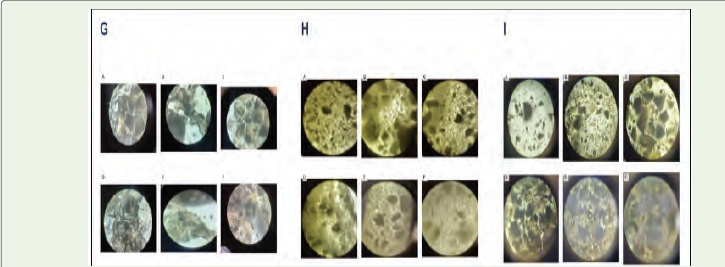
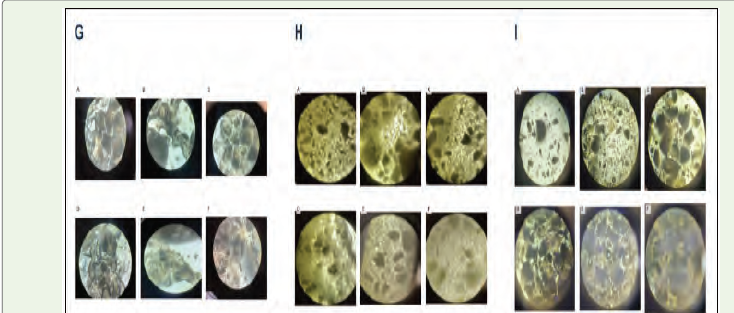
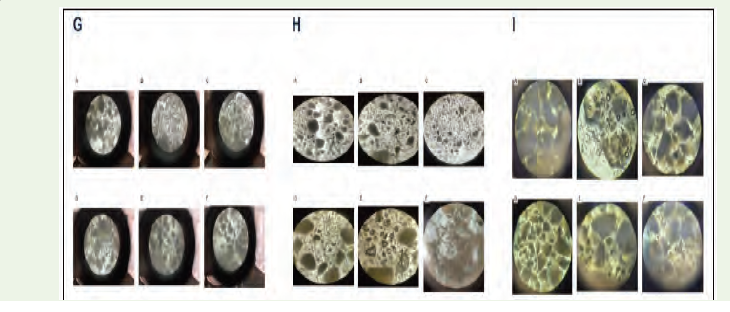
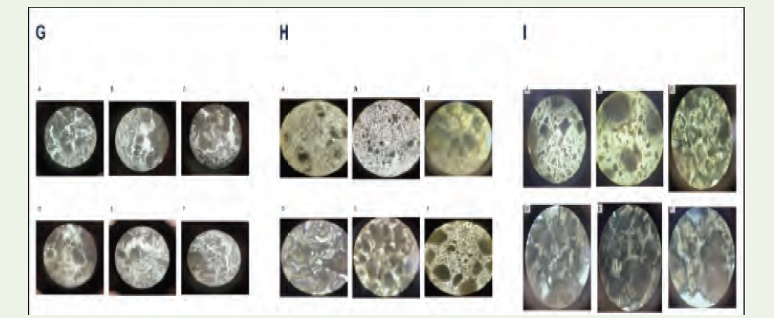
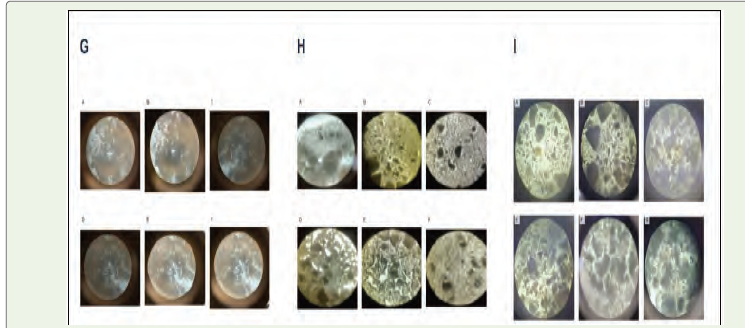
min confirmed the presence of tannin.Gelatinization and microscopic examination:
The gelatinization behaviour of rice starch was evaluated
according to [16] with slight modifications. Approximately 1 g of
powdered rice sample was dispersed in 10 mL of distilled water and
heated gradually from 50°C to 90°C on a hot plate with continuous
stirring. Observations were recorded at 50, 60, 70, 80, and 90°C to
monitor starch granule swelling, viscosity development and paste
formation. Complete gelatinization was confirmed by the formation
of a homogeneous viscous paste. For microscopic examination, a
small quantity of the gelatinized sample was mounted on a clean glass
slide, covered with a coverslip, and examined using a compound light
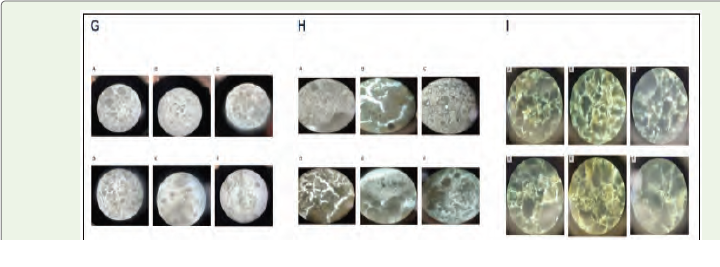
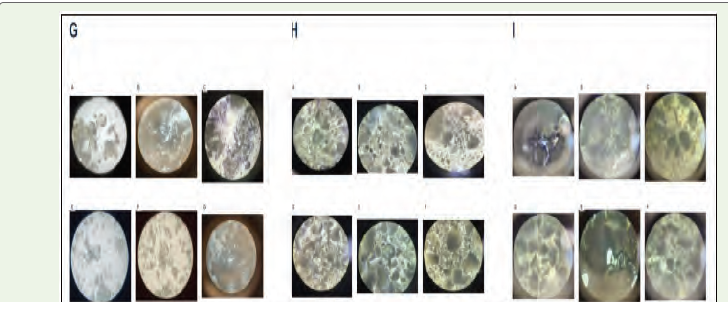
microscope (LABMED, INDIA) at 400× magnification.Retrogradation and microscopic examination:
Retrogradation was assessed following the procedure described
by [26]. The gelatinized starch samples were cooled to room
temperature, transferred to airtight containers and stored at 3–5°C
for 24 h to promote starch molecular reassociation. Following storage,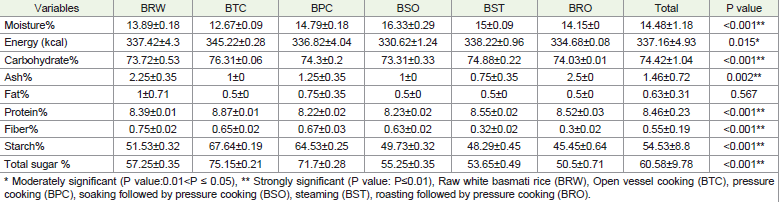
the gel structure was examined under a compound light microscope
(LABMED, INDIA) with 400× magnification.
Statistical Analysis:
The experiment was conducted, with each treatment analysed
in triplicate. Results are presented as mean ± standard deviation.
Statistical analysis was performed using IBM SPSS Statistics version
22.0. Differences among treatments were evaluated by one-way
analysis of variance (ANOVA), followed by Tukey’s Honestly
Significant Difference (HSD) test for pairwise comparisons. Statistical
significance was accepted at p < 0.05. Microsoft Excel 2021 (Microsoft
Corporation, Redmond, WA, USA) was used exclusively for data
tabulation and graphical presentation.Result
Comparative cooking characteristics of Rice (Oryza sativa):
The cooking characteristics of raw white basmati rice (BRW),
raw brown basmati rice (BBR) and raw parboiled rice (PBR) differed
markedly among the cooking methods (Table 3). Overall, water
uptake ratio, cooked weight, cooking yield and percentage increase in
weight followed similar trends across all treatments. During soaking
(T₁), BBR showed the highest hydration capacity, with the highest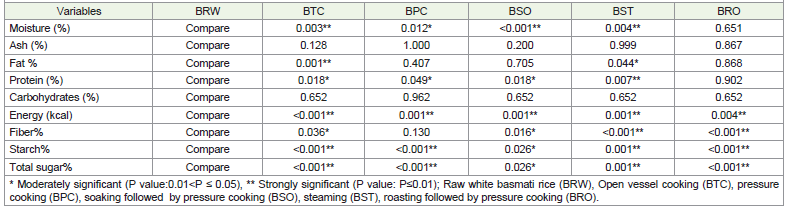
water uptake ratio (2.92 mL), while PBR showed the lowest (2.41 mL).
Pressure cooking (T₂) produced the highest hydration and cooking
performance among all treatments, with BRW recording the maximum
water uptake ratio (3.70 mL), cooked weight (370 g), cooking yield
(370%) and percentage increase in weight (270%). Under open-vessel
cooking (T₃), PBR demonstrated the greatest hydration, with a water
uptake ratio of 3.16 mL, whereas BBR recorded the lowest value (2.20
mL). A similar pattern emerged during steaming (T₄), where BRW
showed superior cooking characteristics, followed by PBR, while BBR
showed comparatively lower hydration. In contrast, roasting (T₅)
favoured BBR, which recorded the highest water uptake ratio (3.42
mL), cooked weight (342 g), cooking yield (342%) and percentage
increase in weight (242%).
Physical characteristics of Rice (Oryza sativa):
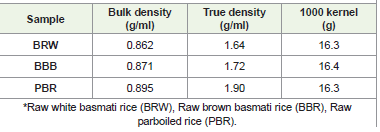
The physical characteristics of the rice varieties, including bulk
density, true density and thousand-kernel weight, are presented in
Table 2. Bulk density varied slightly among the rice varieties, ranging
from 0.862 to 0.895 g/cm³. PBR recorded the highest bulk density
(0.895 g/cm³), followed by BBR (0.871 g/cm³) and BRW (0.862 g/cm³).
A similar trend was observed for true density, with PBR exhibiting the
highest value (1.90 g/cm³), followed by BBR (1.72 g/cm³) and BRW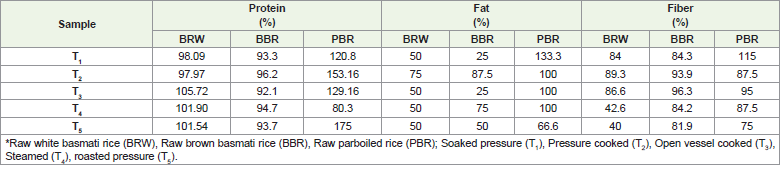
(1.64 g/cm³). In contrast, thousand-kernel weight varied only slightly
among the rice varieties. BBR recorded the highest thousand-kernel
weight (16.4 g), whereas BRW and PBR exhibited similar values (16.3
g).
Nutritional Analysis:
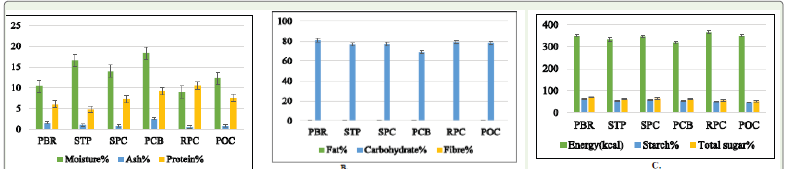
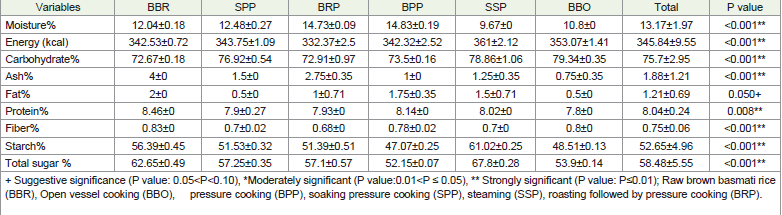
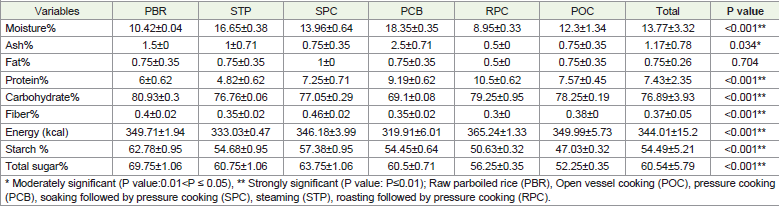
The nutritional composition of white basmati rice (BRW),
brown basmati rice (BBR) and parboiled rice (PBR) was significantly
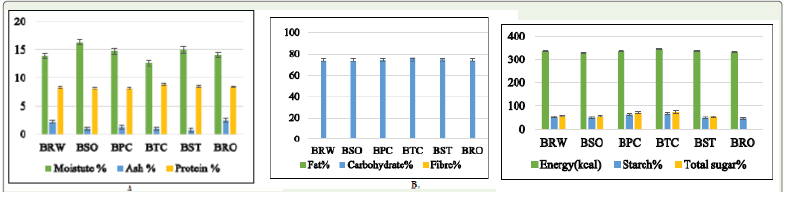
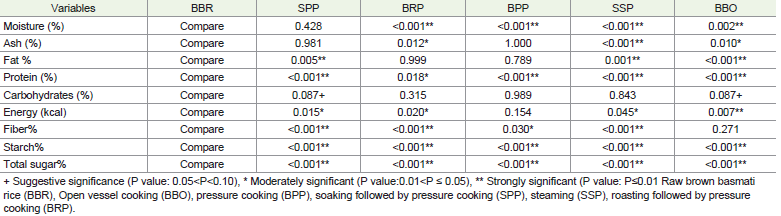
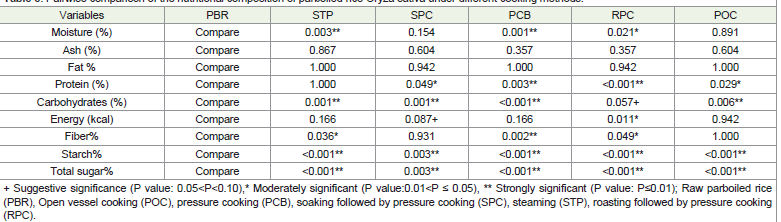
influenced by the cooking methods Tables 4–6. In white basmati
rice, moisture content increased significantly (p < 0.001), reaching
the highest value after soaking followed by pressure cooking (BSO;
16.33 ± 0.29%). Open-vessel cooking (BTC) resulted in the highest
carbohydrate (76.31 ± 0.06%), protein (8.87 ± 0.01%), starch (67.64
± 0.19%) and total sugar (75.15 ± 0.21%) contents, all of which
differed significantly from the other treatments (p < 0.001). The
raw sample had the highest ash content (2.25 ± 0.35%; p = 0.002),
whereas cooking did not significantly affect fat content (p = 0.567).
Fibre content varied significantly (p < 0.001), with the highest value
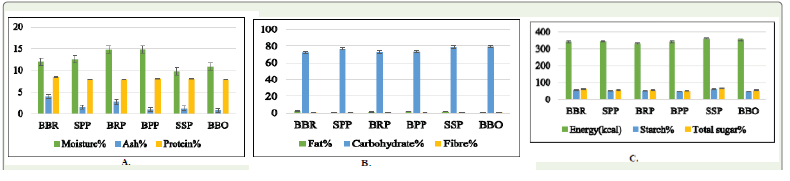
observed in the raw sample (0.75 ± 0.02%). Among the brown
basmati rice samples, pressure cooking (BPP) produced the highest
moisture content (14.83 ± 0.19%; p < 0.001). Open-vessel cooking
(BBO) recorded the highest carbohydrate content (79.34 ± 0.35%; p
< 0.001), while steaming (SSP) resulted in the highest starch (61.02
± 0.25%) and total sugar (67.80 ± 0.28%) contents (p < 0.001). The
highest protein content among the cooked samples was observed
after pressure cooking (8.14 ± 0.00%; p = 0.008). The raw sample
contained significantly higher ash (4.00 ± 0.00%; p < 0.001), fat
(2.00 ± 0.00%; p = 0.050) and fibre (0.83 ± 0.00%; p < 0.001) than
the processed samples. In parboiled rice, pressure cooking (PCB)
resulted in the highest moisture content (18.35 ± 0.35%; p < 0.001).
The raw sample retained the highest carbohydrate (80.93 ± 0.30%),
starch (62.78 ± 0.95%) and total sugar (69.75 ± 1.06%) contents,
with all three parameters showing significant differences among the
cooking treatments (p < 0.001). Roasting recorded the highest protein
content, followed by pressure cooking (RPC; 10.50 ± 0.62%; p <
0.001). Ash content also differed significantly (p = 0.034), with the raw
sample showing the highest value (1.50 ± 0.00%), whereas fat content
remained statistically unchanged across all treatments (p = 0.704).
Fibre content varied significantly (p < 0.001), with the raw sample
retaining the highest value (0.40 ± 0.02%). Comparisons with the
traditional method of cooking as shown in (Tables 7–9) supported the
ANOVA results and showed that moisture, protein, starch and total
sugar were the nutritional components most consistently influenced
by the cooking methods (p < 0.05). In comparison, carbohydrate,
ash, and fat showed fewer significant differences among treatments,
with fat remaining relatively stable regardless of cooking method (p
> 0.05). Collectively, these findings indicate that the effect of cooking
on nutrient composition depends on both rice variety and processing
method.Nutrient retention:
Protein retention in BRW ranged from 97.97–105.72%, with
the highest value recorded after open-vessel cooking T₃) 105.72%,
whereas BBR showed a narrower range 92.10–96.20%, with
maximum retention following pressure cooking (T₂) 96.20%. PBR
showed the greatest variation (80.3–175%), with the highest protein
retention after roasting, followed by pressure cooking (T₅) at 175%.
Fat retention ranged from 50–75% in BRW and 25–87.5% in BBR,
while PBR showed the highest retention 66.6–133.3%, with maximum
retention after soaking followed by pressure cooking (T₁) 133.3%.
Fibre retention ranged from 40–89.3% in BRW, 81.9-96.3% in BBR
and 75–115% in PBR. The highest fibre retention was observed in
BBR after open-vessel cooking (T₃) 96.3% and in PBR after soaking
pressure cooking (T₁) 115%. Overall, PBR showed greater retention
of protein and fat, whereas BBR retained comparatively higher fibre
across the cooking treatments.Qualitative test:
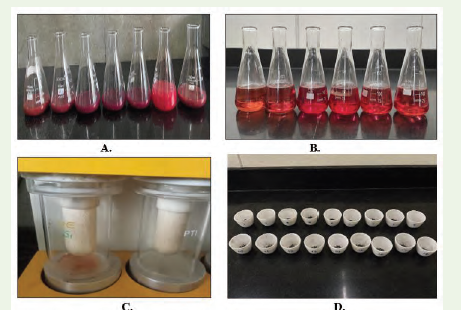
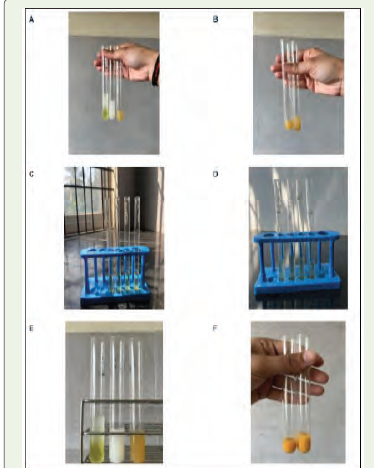
The qualitative analysis of thiamine, riboflavin, niacin, tannin
and phytate in white basmati rice (BRW), brown basmati rice (BBR)
and parboiled rice (PBR) revealed that these compounds were not
detected under the conditions of the qualitative assay, as depicted in
(Figure 4). All three rice varieties exhibited negative (–) results for
each parameter and no qualitative differences were observed among
the samples.Gelatinization and Retrogradation:
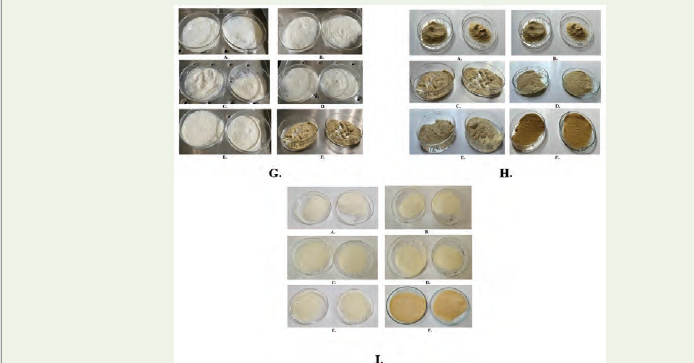
Microscopic examination revealed progressive gelatinization of
starch granules in white basmati rice (BRW), brown basmati rice
(BBR) and parboiled rice (PBR) with increasing temperature. In
the raw samples (T₀), starch granules remained intact at 50-60°C,
exhibited initial swelling at 70°C, and became extensively gelatinized
with disruption of the granular structure at 80–90°C. Among
the cooking methods, soaked pressure cooking (T₁) and pressure
cooking (T₂) produced more pronounced swelling and disruption
of starch granules than steaming (T₄) and open-vessel cooking (T₃),
which showed comparatively gradual structural changes. In contrast,
roasting followed by pressure cooking (T₅) delayed starch swelling
and resulted in partially fused starch granules. Following cooling,
the gelatinized starch underwent retrogradation, characterised by
the reassociation of starch molecules into aggregated structures. The
most pronounced retrogradation was observed in soaked pressurecooked
(T₁) samples, followed by pressure-cooked (T₂) samples,
both showing dense, continuous starch matrices. Steamed (T₄) and
open-vessel cooked (T₃) samples showed moderate reassociation
with comparatively loose starch matrices, whereas roasting followed
by pressure cooking (T₅) produced a less compact structure with
irregular starch aggregates.Discussion
Comparative cooking characteristics of Rice (Oryza sativa)
In the current investigation, rice variety and cooking method significantly influenced rice cooking quality (p < 0.05). Among cooking techniques, pressure cooking (T) yielded the highest water uptake ratio, cooked weight, cooking yield, and per cent increase in weight, particularly for white basmati rice (BRW). The high temperature and pressure environment increased the migration rate of moisture from grain outer layers towards endosperm and promoted starch gelatinization leading to increased cooking yield and improved grain expansion. This is consistent with other studies [21], which concluded that pressure cooking enhances the water absorption capacity of rice grain, increases volume, and improves rice grain quality after cooking. Starch gelatinisation controls water diffusion through the kernel, and the extent of gelatinisation strongly influences hydration kinetics and, subsequently, cooked rice texture [37]. Because water moves more easily through the endosperm than through layers like the bran, swelling volume with an appropriate degree of hydration improves cooking quality. Various rice varieties behaved differently due to variation in grain microstructure, hardness and other physicochemical factors [15]. Grain morphology, which is closely associated to cooking behaviour is one major criterion for classifying rice. White basmati rice attained higher hydration properties in pressure cooking (T) and steam cooking (T), most likely due to polished nature of grain that favours the fast movement of moisture inside, because loss of bran-rich outer layer offers less impediment to moisture diffusion to endosperm and consequently enhance hydration behaviour during cooking. Some similar reports indicate that polished rice had faster water absorption capacity in contrast with intact grain [20]. Besides that high amylose content in rice varieties caused higher cooking loss and lesser increased weight. Also generally accepted knowledge is low in hardness grain take water fast during cooking and lead to soft cooked grain whereas for the high harder grain take water very slow and result into better texture. But parboiled rice (PBR) gave the best hydration in open pot cooking (T), which illustrates their relatively dense grain microstructure may need high heating treatment to achieve sufficient moisture penetration rate. Since gelatinization and retrogradation take place during parboiling reduces the movement of water. In a recent study [39], found that due to the loss of structure during heat- gelatinized starch formation and movement through the grain limits in parboiling causing in increasing grain density and altering hydration during cooking. Recent reviews highlighted, parboiled rice also exhibits lower water absorption due to higher extent of starch gelatinization than refined (polled) rice grain structure because starch has been partially gelatinized causing structure is dense. Brown basmati rice (BBR) demonstrated better hydrated grain values in case of pre-soaking (T) and by roasting followed by pressure cooking (T), where pre-soaking helped in facilitating moisture transfer through the bran and the roasting process possibly leads the outer kernel to have increased permeability and allows better moisture movement from the grain during the following pressure-cooking stage.
In the current investigation, rice variety and cooking method significantly influenced rice cooking quality (p < 0.05). Among cooking techniques, pressure cooking (T) yielded the highest water uptake ratio, cooked weight, cooking yield, and per cent increase in weight, particularly for white basmati rice (BRW). The high temperature and pressure environment increased the migration rate of moisture from grain outer layers towards endosperm and promoted starch gelatinization leading to increased cooking yield and improved grain expansion. This is consistent with other studies [21], which concluded that pressure cooking enhances the water absorption capacity of rice grain, increases volume, and improves rice grain quality after cooking. Starch gelatinisation controls water diffusion through the kernel, and the extent of gelatinisation strongly influences hydration kinetics and, subsequently, cooked rice texture [37]. Because water moves more easily through the endosperm than through layers like the bran, swelling volume with an appropriate degree of hydration improves cooking quality. Various rice varieties behaved differently due to variation in grain microstructure, hardness and other physicochemical factors [15]. Grain morphology, which is closely associated to cooking behaviour is one major criterion for classifying rice. White basmati rice attained higher hydration properties in pressure cooking (T) and steam cooking (T), most likely due to polished nature of grain that favours the fast movement of moisture inside, because loss of bran-rich outer layer offers less impediment to moisture diffusion to endosperm and consequently enhance hydration behaviour during cooking. Some similar reports indicate that polished rice had faster water absorption capacity in contrast with intact grain [20]. Besides that high amylose content in rice varieties caused higher cooking loss and lesser increased weight. Also generally accepted knowledge is low in hardness grain take water fast during cooking and lead to soft cooked grain whereas for the high harder grain take water very slow and result into better texture. But parboiled rice (PBR) gave the best hydration in open pot cooking (T), which illustrates their relatively dense grain microstructure may need high heating treatment to achieve sufficient moisture penetration rate. Since gelatinization and retrogradation take place during parboiling reduces the movement of water. In a recent study [39], found that due to the loss of structure during heat- gelatinized starch formation and movement through the grain limits in parboiling causing in increasing grain density and altering hydration during cooking. Recent reviews highlighted, parboiled rice also exhibits lower water absorption due to higher extent of starch gelatinization than refined (polled) rice grain structure because starch has been partially gelatinized causing structure is dense. Brown basmati rice (BBR) demonstrated better hydrated grain values in case of pre-soaking (T) and by roasting followed by pressure cooking (T), where pre-soaking helped in facilitating moisture transfer through the bran and the roasting process possibly leads the outer kernel to have increased permeability and allows better moisture movement from the grain during the following pressure-cooking stage.
Physical characteristics of Rice (Oryza sativa):
The physical characteristics of the rice varieties differed according
to grain type and processing history. Parboiled rice (PBR) exhibited
the highest bulk density and true density, indicating a denser grain
matrix than that of white basmati rice (BRW) and brown basmati rice
(BBR). This behaviour is associated with the hydrothermal treatment
during parboiling, which induces starch gelatinization followed by
retrogradation, resulting in a more compact internal structure and
enhanced grain integrity. Similar findings were reported by [22],
which showed that parboiling improves structural compactness,
increases grain hardness, and reduces grain breakage during cooking.
Although only slight differences were observed in thousand-kernel
weight, BBR recorded the highest value, followed closely by BRW
and PBR. The minimal variation indicates that kernel size was
largely comparable among the three rice varieties [32]. Therefore,
the differences in cooking behaviour are more likely to be associated
with variations in grain microstructure and physicochemical
properties than with kernel weight alone. Overall, the higher density
of PBR explains its slower hydration rate and greater resistance to
structural disruption during cooking. These findings show that
processing-induced changes in grain microstructure play a key role
in determining the physical and cooking characteristics of rice [10].Nutritional Analysis:
Cooking significantly affected the nutritional composition of all
rice varieties (p < 0.05). Moisture content increased after cooking,
particularly in soaked, pressure-cooked samples (T₁), due to increased
water absorption during thermal processing. Consequently, the
energy value decreased because increased moisture content diluted
nutrient concentration on a wet-weight basis, consistent with the
findings of [24]. Carbohydrate and ash contents generally decreased
following cooking, particularly under moist-heat treatments. This
reduction can be explained by starch gelatinization and the leaching
of water-soluble nutrients into the cooking medium. Fat content
showed comparatively little variation during processing because
lipids are less susceptible to thermal losses. Protein content varied
with cooking method, likely reflecting heat-induced denaturation
and changes in protein–starch interactions during cooking. Dietary
fibre also decreased after thermal treatment because heating partially
disrupted structural polysaccharides within the grain. Similarly,
starch and total sugar contents declined after cooking, with openvessel
cooking (T₃) showing greater retention, whereas roasting
followed by pressure cooking (T₅) produced the greatest reduction.
The reason for the alteration of nutrient composition is the increase
in absorbed moisture during the process; cooking causes it to
evaporate and decompose at temperature to form other compounds.
It is also thought to be caused by the gelatinisation of starch; where
starch grains will absorb the cooking liquid and swell, also by leaching
out of water-soluble compounds into the cooking liquid. These
changes are influenced by the method of cooking [9]. More nutrients
are lost by methods of cooking that utilize excessive water as water
soluble nutrients will escape and diffuse into the cooking liquid and
in methods of cooking by limited water retention is greater. These
observations are consistent with the physicochemical changes
associated with starch gelatinization and thermal processing [7].Pairwise comparison of nutrient composition of rice Oryza sativa varieties under different cooking conditions:
The comparative analysis demonstrated that both rice variety and
cooking method significantly influenced the nutritional composition
of cooked rice (p < 0.05). Moisture, protein, starch and total sugar
exhibited the greatest variation among treatments, whereas ash
content remained comparatively stable. These findings indicate that
nutrients respond differently to thermal processing depending on
their chemical characteristics and distribution within the grain [27].
Brown basmati rice (BBR) consistently retained higher amounts
of dietary fibre, fat and ash than white basmati rice (BRW) and
parboiled rice (PBR), reflecting the retention of the bran layer, where
these nutrients are predominantly concentrated. In contrast, BRW
contained lower amounts of fibre and minerals because polishing
removes much of the bran and germ before cooking [1]. Parboiled rice
(PBR) exhibited greater nutritional stability across several cooking
treatments. This is likely because hydrothermal processing before
milling redistributes water-soluble nutrients into the endosperm and
reduces their susceptibility to cooking losses. Among the cooking
methods, soaking followed by pressure cooking (T₁) resulted in the
highest moisture retention, whereas roasting followed by pressure
cooking (T₅) caused greater reductions in starch and total sugar.
Overall, these findings support the view that the interaction between
grain structure and cooking conditions governs the nutritional
quality of cooked rice and agree with the observations of [31].Nutrient retention calculation:
Nutrient retention was significantly influenced by both rice variety
and cooking method (p < 0.05), indicating that no single cooking
method maximised the retention of all nutrients. Instead, nutrient
retention depended on each rice variety’s structural characteristics
and the thermal conditions used during cooking. For white basmati
rice (BRW), open-vessel cooking (T₃) resulted in the highest protein
retention, whereas pressure cooking produced greater protein
retention in brown basmati rice (BBR). In parboiled rice (PBR),
roasting followed by pressure cooking (T₅) yielded the highest protein
retention. This likely reflects the structural modifications induced
during hydrothermal processing, which improve protein stability
during subsequent heat treatment. Similar trends on the structural
modification of rice have been reported by [35]. Pressure cooking (T₂)
resulted in greater fat retention in BRW and BBR, whereas soaking
followed by pressure cooking (T₁) was more effective in preserving fat
in PBR. Fibre retention remained highest in BBR because of the intact
bran layer, while PBR exhibited improved fibre retention following
roasting combined with pressure cooking (T₅). Retention of nutrients
can be strongly influenced by cooking temperature and time and the
amount of water involved. Pressure-cooked foods can be expected to
retain a significantly higher percentage of the water-soluble vitamins
(B-complex group, vitamin C) and minerals than foods which were
cooked with excess water. With a limited amount of cooking water,
leaching out of soluble components occurs only to a limited extent
and the cooking time is also reduced, hence minimal loss of soluble
contents due to thermally caused decomposition is possible. Preroasting
also improves the retention of water-soluble and protein
values due to less leaching during cooking process [3]. Collectively,
these findings demonstrate that nutrient retention is governed by
the interaction between grain structure and cooking conditions,
indicating that the most suitable cooking method depends on the rice
variety.Qualitative test:
The study indicated that thiamine, riboflavin, niacin, tannins
and phytates were not detected in any of the rice samples under
the conditions of the qualitative assay. These findings should not
be interpreted as the complete absence of these compounds, but
rather as concentrations below the detection limit of the analytical
method employed. The low detectable levels are consistent with the
effects of milling, soaking and thermal processing, which reduce the
concentrations of water-soluble vitamins and certain antinutritional
compounds through removal of the bran layer, leaching and thermal
degradation reported that polishing removes a substantial proportion
of the bran layer [36], where B-group vitamins and several
phytochemicals are predominantly concentrated, thereby markedly
reducing their concentrations in milled rice. Similarly, demonstrated
that vitamins present at low concentrations often require highly
sensitive analytical techniques, such as high-performance liquid
chromatography (HPLC), for reliable quantification [17]. Therefore,
the absence of detectable reactions in the present study more likely
reflects the limited sensitivity of the qualitative assay than the
complete elimination of these compounds.Gelatinisation and Retrogradation:
Light microscopic examination confirmed progressive starch
gelatinization in all rice samples with increasing as temperature. Intact
starch granules observed at lower temperatures gradually swelled,
lost their structural integrity and eventually formed a continuous
gelatinized matrix as heating progressed. These structural changes
are consistent with the disruption of crystalline starch regions and
increased water absorption during thermal processing [23]. Pressure
cooking and soaking followed by pressure cooking produced the
greatest degree of gelatinization, reflecting the combined effects of
elevated temperature, pressure and moisture availability. The rapid
diffusion of water into the endosperm accelerated starch swelling
and gelatinization, which is consistent with the higher water uptake,
cooked weight and cooking yield observed in these treatments. In
contrast, steaming resulted in more gradual gelatinization because
heat transfer occurred at a slower rate than under pressure. Roasting
followed by pressure cooking exhibited comparatively lower starch
swelling, likely reflecting structural modifications induced during
dry-heat treatment that reduced subsequent water absorption and
starch gelatinization during pressure cooking. Similar observations
have been reported by [26]. Retrogradation was evident in all cooked
samples following cooling, indicating the reassociation of gelatinized
starch molecules into more ordered structures. The highest degree
of retrogradation was observed in soaked pressure-cooked rice,
suggesting that extensive starch gelatinization promoted greater
molecular reassociation during cooling. In contrast, roasting followed
by pressure cooking exhibited the lowest degree of retrogradation,
indicating that prior dry-heat treatment modified the starch structure
and reduced its tendency to reassociate. [25] similarly reported that
amylose reassociation during cooling contributes to the formation of
firmer starch gel networks.Conclusion
The composition, physical characteristics, nutrient retention
and starch properties of cooked rice. Brown basmati retained
higher dietary fibre and mineral content because of the bran layer,
while parboiled rice showed better protein retention and structural
stability. Pressure cooking improved hydration characteristics and
cooking yield, whereas steaming and roasting differentially affected
nutrient retention and starch behaviour. Microscopic observations
confirmed variations in starch gelatinization and retrogradation
among cooking methods, and statistical analysis revealed significant
differences (p < 0.05) for most parameters. Overall, the findings
highlight that selecting an appropriate cooking method according to
the rice variety can enhance the nutritional and functional quality of
cooked rice. The study was limited to three rice varieties and selected
domestic cooking methods under controlled laboratory conditions.
In addition, qualitative analysis was used for selected vitamins and
antinutritional factors, limiting detection of trace concentrations;
the study also used a single batch of each rice variety. Therefore,
independent biological replication was limited, which may restrict
the generalizability of variety-specific findings. Future studies should
include multiple independent batches or lots of each rice variety to
strengthen statistical inference. Future studies should include a wider
range of rice cultivars and cooking techniques and employ quantitative
analytical methods, such as HPLC, to determine vitamin retention.
Further investigation of starch digestibility, glycaemic index, sensory
quality and advanced structural characterisation techniques (SEM,
DSC and XRD) would provide a more comprehensive understanding
of the nutritional and functional changes occurring during cooking.
Acknowledgement:
The authors express their sincere gratitude to Padmashree Institute
of Management and Sciences, Bengaluru, and the Department of
Food Science and Nutrition for their guidance, support and facilities
provided during the study.Conflict of Interest:
The authors declare no conflicts of interest.Authors contribution:
The corresponding author contributed to the study’s conception
and design, supervised the research, reviewed the manuscript,
and provided critical revisions and final corrections; co-authors
contributed to the study’s implementation, data collection, data
analysis, literature review, and preparation of the manuscript draft.
All authors reviewed, approved and agreed to be accountable for the
final version of the manuscript.Ethical clearance:
The study does not require ethical clearance.AI Acknowledgment:
The authors confirm that ChatGPT and Grammarly were used
solely as editorial support tools for language editing, grammar
checking, sentence rephrasing, clarity enhancement and manuscript
formatting. Figure Guilt was used to assist with figure preparation
and formatting. The authors critically reviewed, verified, and revised
all AI-generated suggestions. The authors take full responsibility for
the accuracy, integrity and originality of the manuscript, including all
interpretations, analyses and conclusions.References
Citation
Citation: Keerthana S, Shruti. SN, Hershal T, Akshatha. Effect of Traditional and Contemporary Cooking Techniques on the Nutritional Quality of Different Rice (Oryza sativa) Varieties: A Comparative Study. Indian J Nutri. 2026;13(2): 349.