


Case Report
Case Report on Nutrition Management in Pseudomyxoma Peritonei (Peritoneal Carcinomatosis with Low Grade Appendical Mucinous Neoplasm)
Arvind S* and Mullachery A
Department of Dietetics, Fortis Hospital, Bangalore, Karnataka, India
*Corresponding author: Arvind Shalini, Department of Dietetics, Fortis Hospital, Bangalore, Karnataka, India. E- mail Id: shalini.arvind@fortishealthcare.com
Article Information:Submission: 29/06/2026; Accepted: 27/07/2026; Published: 30/07/2026
Copyright: ©2026 Arvind S, et al. This is an open access article distributed under the Creative Commons Attribution License, which permits unrestricted use, distribution, and reproduction in any medium, provided the original work is properly cited.
Abstract
Background: Pseudomyxoma peritonei is a rare mucin-producing malignancy characterized by progressive abdominal distension and poor oral intake. Cytoreductive surgery with hyperthermic intraperitoneal chemotherapy remains the standard treatment; however, perioperative malnutrition significantly impacts outcomes. This case highlights the role of individualized medical nutrition therapy in optimizing recovery.
Materials and Method: A 68-year-old male diagnosed with Pseudomyxoma peritonei underwent nutritional assessment using Subjective Global Assessment. A tailored nutrition plan was implemented, including preoperative carbohydrate loading, perioperative total parenteral nutrition and stepwise progression to oral feeding. Nutritional intake, biochemical markers, and clinical tolerance were monitored throughout hospitalization under a multidisciplinary approach.
Results: The patient presented with severe nutritional risk, hypoalbuminemia, anaemia and poor oral intake. Preoperative carbohydrate loading was successfully administered as per Enhanced Recovery After Surgery protocol. Due to persistent intolerance, total parenteral nutrition was initiated and gradually increased to meet requirements. Postoperatively, the patient remained nil per oral for 48 hours, followed by gradual reintroduction of oral intake alongside total parenteral nutrition. Diet progression from liquids to semisolids and soft high-protein foods was well tolerated. Improvement in gastrointestinal function, clinical stability, and dietary intake was observed, allowing discontinuation of total parenteral nutrition prior to discharge.
Conclusion: Early, individualized nutritional intervention, including perioperative total parenteral nutrition support and gradual diet advancement, played a crucial role in improving nutritional status and recovery in a patient with Pseudomyxoma peritonei undergoing Cytoreductive surgery with hyperthermic intraperitoneal chemotherapy. Continuous monitoring and multidisciplinary care are essential to reduce complications and enhance clinical outcomes.
Materials and Method: A 68-year-old male diagnosed with Pseudomyxoma peritonei underwent nutritional assessment using Subjective Global Assessment. A tailored nutrition plan was implemented, including preoperative carbohydrate loading, perioperative total parenteral nutrition and stepwise progression to oral feeding. Nutritional intake, biochemical markers, and clinical tolerance were monitored throughout hospitalization under a multidisciplinary approach.
Results: The patient presented with severe nutritional risk, hypoalbuminemia, anaemia and poor oral intake. Preoperative carbohydrate loading was successfully administered as per Enhanced Recovery After Surgery protocol. Due to persistent intolerance, total parenteral nutrition was initiated and gradually increased to meet requirements. Postoperatively, the patient remained nil per oral for 48 hours, followed by gradual reintroduction of oral intake alongside total parenteral nutrition. Diet progression from liquids to semisolids and soft high-protein foods was well tolerated. Improvement in gastrointestinal function, clinical stability, and dietary intake was observed, allowing discontinuation of total parenteral nutrition prior to discharge.
Conclusion: Early, individualized nutritional intervention, including perioperative total parenteral nutrition support and gradual diet advancement, played a crucial role in improving nutritional status and recovery in a patient with Pseudomyxoma peritonei undergoing Cytoreductive surgery with hyperthermic intraperitoneal chemotherapy. Continuous monitoring and multidisciplinary care are essential to reduce complications and enhance clinical outcomes.
Introduction
Pseudomyxoma Peritonei (PMP) is a clinical condition caused
by cancerous cells (mucinous adenocarcinoma) that produce
abundant mucin or gelatinous ascites. The tumour causes fibrosis of
tissues and impedes digestion or organ function. Prognosis with
treatment in many cases is optimistic, but the disease is lethal if
untreated, with death occurring via cachexia, bowel obstruction, or
other types of complications.
The most important treatment for PMP is surgery. A doctor
schedules treatment plans depending on the level at which the tumour
has progressed and on the patient’s health condition. Surgery for PMP
can be divided into two types: Cytoreductive surgery with hyperthermic
intraperitoneal chemotherapy (HIPEC) and Debulking
surgery. [7,11,17]
Nutritional support is a key part in optimal management of
the patient with peritoneal malignancy. Malnutrition is considered
a major contributing factor influencing the clinical outcome and
disease progression in patients with pseudomyxoma peritonei, as the
progressive accumulation of mucinous tumours within the peritoneal
cavity compromises gastrointestinal function and adversely affects
nutritional status. A high protein, energy-dense diet is recommended
to alleviate carcinoma-associated malnutrition and support tissue
repair. A low residue diet can be advised in presence of bowel
obstruction or compromised gastrointestinal function. [17,18,20]
Nutritional scope:
The accumulation of mucinous ascites and peritoneal tumor
deposits may result in abdominal distension, early satiety, nausea,
anorexia, altered bowel habits and intestinal obstruction, as a result
reduced dietary intake and compromised nutritional status. In addition,
patients with PMP are at risk of weight loss, sarcopenia, micronutrient
deficiencies and reduced functional capacity. Cytoreductive surgery
(CRS) combined with intra peritoneal chemotherapy (HIPEC), which
represents the standard therapeutic approach patients, may further
exacerbate nutritional deterioration due to postoperative catabolic
stress, prolonged recovery, gastrointestinal dysfunction. Previous
studies have demonstrated that poor nutritional status is associated
with increased postoperative complications, delayed wound
healing, prolonged hospitalization, reduced treatment tolerance and
impaired quality of life. Comprehensive nutritional assessment is
therefore considered as essential component in the multidisciplinary
management of PMP. Early identification of nutritional risk
through validated assessment methods, including subjective Global
Assessment (SGA), anthropometric evaluation, biochemical
markers, dietary assessment and functional parameters, is important
for initiating timely nutritional interventions. Depending on the
severity of the disease and gastrointestinal tolerance, individualized
nutritional management was planned which included high protein
and high calorie diet, oral nutritional supplementation, enteral or
parenteral nutrition support. [17,18,20]Physical Examination:
Physical examination in pseudomyxoma peritonei commonly
reveals progressive abdominal distension due to mucin accumulation
within the peritoneal cavity. Patients may present with a firm
abdomen, palpable abdominal or pelvic masses, abdominal tenderness
and altered bowel sounds. Advanced disease is often associated with
significant weight loss, severe protein energy malnutrition, hernias
and respiratory discomfort results to increased intra-abdominal
pressure can occur. [18,22]Case Presentation:
A 68-year-old male presented with abdominal distension for one
month, associated with pain, loss of appetite and hematemesis with a
history of hypertension and hypothyroidism. Clinical evaluation and
diagnostic investigation lead to a final diagnosis of pseudomyxoma
peritonei. Patient received a treatment course for 20 days and was
discharged on 13th April, 2021.Upon admission nutritional screening
of patient was done using Subjective Global Assessment screening
tool. The total score obtained was 8, indicating severe nutritional
risk. Drug nutrient interaction monitored for all drugs, were carefully
considered while planning diet for the patient.Pre-operative Management:
Preoperative management included optimization of hydration
and metabolic reserves through adequate fluid and carbohydrate
loading. Carbohydrate loading was administered to the patient the
night before surgery and again two hours prior, using 50 grams of a
carbohydrate supplement (Carboload) made with 88% malto dextrin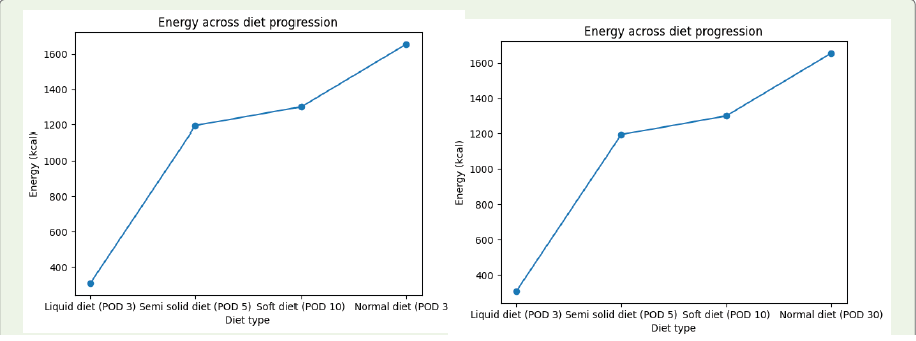
in 400 ml water, providing 190 kcals.
This approach helps to reduce perioperative stress, maintain energy balance and improve postoperative recovery.
This approach helps to reduce perioperative stress, maintain energy balance and improve postoperative recovery.
Case Progression
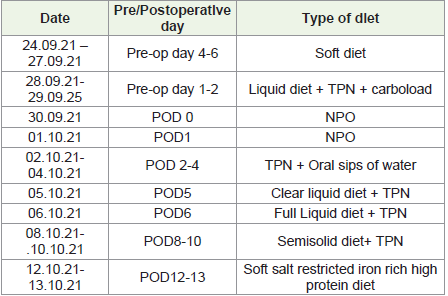
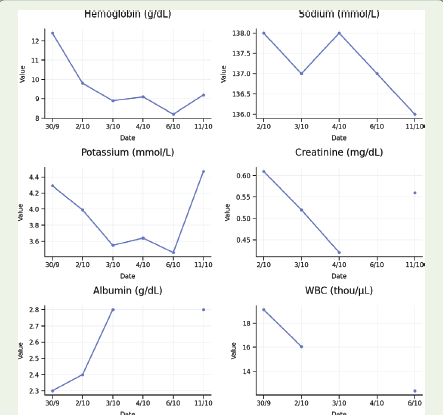
Patient was admitted with progressive abdominal distension,
anorexia, recurrent vomiting, hypoalbuminemia and anemia. Initial
nutritional management included a salt-restricted iron rich soft
diet with protein supplement. Proton pump inhibitors and antiemetics
were administered for symptomatic relief. Subsequently,
the patient developed esophagitis with worsening oral intake and
persistent abdominal discomfort, necessitating the initiation of total
parenteral nutrition (TPN) to meet nutritional requirements. PETCT
evaluation revealed malignant ascites. Gradually oral liquid
diet was initiated along with TPN support at 60ml/hour, followed
by small amounts of soft foods as tolerated. The patient was later
posted for laparotomy with cytoreductive surgery and hyperthermic
intraperitoneal chemotherapy (HIPEC). As per Early Recovery After
Surgery (ERAS) protocol, carbohydrate loading was initiated for the
patient. Postoperative, the patient required mechanical ventilatory
support and analgesic infusions and was maintained nil per oral for 48
hours. By postoperative day two, the patient was conscious, oriented
and hemodynamically stable. Oral sips of water were introduced
gradually and TPN was continued at 80ml/hour. With progressive
improvement in gastrointestinal tolerance, the patient was able to
tolerate clear liquids orally and subsequently passed stools, indicating
recovery of bowel function. Antiemetic medicines were continued
for nausea management. Nutritional therapy was advanced from a
full liquid diet to a semisolid diet while maintaining TPN support.
A transient episode of vomiting and hiccups during recovery and
was effectively managed with anti-emetics. Following symptomatic
improvement and adequate oral tolerance, TPN was gradually
stopped and diet was further progressed with more options as per
the tolerance of the patient. By the end of the hospitalization, patient
showed marked clinical improvement with no active complaints
and was tolerating soft salt restricted high protein iron-rich diet
adequately.
Discussion
Nutritional support plays a pivotal role in the multidisciplinary
management of patients with peritoneal malignancy. In the
present case, the patient exhibited classical features of nutritional
compromise, including abdominal distension, anorexia, recurrent
vomiting, anemia, and hypoalbuminemia. These clinical findings
necessitated early and targeted nutritional intervention to optimize
preoperative status and improve postoperative outcomes.
This case highlights the integral role of structured and timely nutritional intervention in the management of patients undergoing complex oncological procedures such as cytoreductive surgery with HIPEC.
The implementation of ERAS-based carbohydrate loading, early initiation of parenteral nutrition, and a gradual transition to tailored oral diets enriched with protein supplementation were critical in addressing the patient’s nutritional deficits. The use of palatable, symptom-adapted food options further improved dietary acceptance, particularly in the context of persistent gastrointestinal symptoms.
Timely and tailored nutrition support is fundamental to optimizing recovery, reducing postoperative complications, and enhancing quality of life in patients with peritoneal malignancies. This case reinforces the role of nutrition as a key component of perioperative care in complex oncological management.
This case highlights the integral role of structured and timely nutritional intervention in the management of patients undergoing complex oncological procedures such as cytoreductive surgery with HIPEC.
The implementation of ERAS-based carbohydrate loading, early initiation of parenteral nutrition, and a gradual transition to tailored oral diets enriched with protein supplementation were critical in addressing the patient’s nutritional deficits. The use of palatable, symptom-adapted food options further improved dietary acceptance, particularly in the context of persistent gastrointestinal symptoms.
Timely and tailored nutrition support is fundamental to optimizing recovery, reducing postoperative complications, and enhancing quality of life in patients with peritoneal malignancies. This case reinforces the role of nutrition as a key component of perioperative care in complex oncological management.
Conclusion
Overall, this case underscores that individualized, flexible, and
symptom-oriented nutrition care is essential to optimize recovery,
minimize complications, and enhance clinical outcomes in patients
with peritoneal malignancy. Ensuring adequate caloric and protein
intake through a combination of parenteral and enteral approaches
remains a cornerstone of effective perioperative care in such high-risk
populations.
Acknowledgements
The authors would like to thank Hexagon Nutrition Limited for
supplying Pentasure, standard polymeric formula and Carboload
supplements used during this study. Their support was instrumental
in enabling this research, and we greatly appreciate their contribution
to enhancing patient care and health outcomes.
References
Citation
Arvind S, Mullachery A. Case Report on Nutrition Management in Pseudomyxoma Peritonei (Peritoneal Carcinomatosis with Low Grade Appendical Mucinous Neoplasm). Indian J Nutri. 2026;13(2): 348.