


Research Article
Efficacy and Tolerability of Belite in the Management of Obesity: A Multicentric Study
Kanchan V, Patil CS, Danish MI, Bhatt Y, Sharma S, Pankaj Y, Jain N and Mohanty L*
Department of Clinical Research and PVG, Panacea Biotec Ltd., B-1 Extn. /G-3, Mohan Co-Op., Indl. Estate, Mathura Road, New Delhi, India
*Corresponding author:Dr. Lalitendu Mohanty, Department of Clinical Research and PVG, Panacea Biotec Ltd., B-1 Extn. /G-3, Mohan Co-Op., Indl. Estate, Mathura Road, New Delhi, India. E-mail Id: lalitendumohanty@panaceabiotec.com
Article Information:Submission: 04/05/2026; Accepted: 26/05/2026; Published: 28/05/2026
Copyright: ©2026 Kanchan V, et al. This is an open access article distributed under the Creative Commons Attribution License, which permits unrestricted use, distribution, and reproduction in any medium, provided the original work is properly cited.
Abstract
The prevalence of obesity has increased dramatically in the past few years, the pathophysiology of which is complex, involving behavioral, environmental, and genetic factors. This study was aimed to evaluate the efficacy and tolerability of Belite, a herbal formulation of green tea extract, Griffonia simplicifolia extract, and Saccharum officinarum wax, in managing obesity among a cohort of 120 obese participants. Over a six-month period, participants were
administered Belite, and the outcomes were meticulously assessed to determine its impact on various health parameters associated with obesity. The study design included rigorous monitoring of body weight, Body Mass Index (BMI), waist circumference, and lipid profiles, providing a comprehensive view of the formulation’s effectiveness in managing obesity. Results indicated a significant reduction in body weight that was statistically meaningful. The decrease in BMI and waist circumference further underscored the potential of Belite as an effective intervention for obesity management. Additionally, improvements in lipid profiles were observed, suggesting that Belite not only aids in weight reduction but also contributes positively to cardiovascular health markers.
Keywords:Obesity; Belite; Green Tea Extract; Griffonia Simplicifolia Extract; Policosanol; Weight Loss; BMI; Lipid Profile.
Introduction
Obesity has become a global epidemic with serious health
consequences. The prevalence of obesity has risen sharply in recent
years, becoming a significant public health concern globally
[1]. Obesity is defined as having a Body Mass Index (BMI) of 30 or
higher, obesity is associated with a range of serious health risks,
including diabetes, cardiovascular diseases, and certain cancers
[1]. According to the World Health Organization (WHO), higher-thanoptimal
BMI was responsible for approximately 5 million deaths
from non-communicable diseases (NCDs) worldwide in 2019 [2].
The same is true for countries in South-East Asian Region but good
quality, nationally representative, secular trend data have either not
been identified or are limited. However, few studies, e.g. a research
centre in Thailand, have highlighted diet-related reasons for chronic
diseases, including obesity, which are on the increase in affluent
urban populations [1].
The economic burden of obesity is projected to reach $3 trillion
annually by 2030 if current trends continue [3]. Individuals with
obesity are about six times more likely to develop type 2 diabetes due
to insulin resistance [4], and the condition significantly increases
the risk of high blood pressure and cholesterol levels, leading to
heart disease and stroke. Furthermore, there are strong associations
between obesity and several types of cancer, including breast, colon,
and endometrial cancers [5]. Beyond physical health, obesity can
lead to mental health issues such as depression and low self-esteem,
exacerbated by stigma and discrimination based on weight [4].
Addressing the obesity epidemic requires a comprehensive
approach that includes individual lifestyle changes and broader
societal interventions to create healthier environment [6]. Effective
management strategies involve adopting a balanced diet rich in fruits,
vegetables, whole grains, and healthy fats while reducing sugar and
saturated fat intake [7]. Regular physical activity is essential; even
modest weight loss (5-10% of body weight) can significantly reduce
health risks associated with obesity [8]. While various treatments
exist for the management of obesity, there is a need for effective and
safe alternatives.
This study investigates the efficacy and tolerability of Belite, a novel herbal formulation, in managing obesity. Belite is a polyherbal product, which contains Green tea extract, Griffonia simplicifolia extract or 5-hydroxytryptophan (5-HTP), and purified Saccharum officinarum wax (Policosanol). The individual component i.e. Green tea extract is a known natural ingredient, which can be used for treating obesity. It exerts its activity by inducing thermogenesis and inhibition of gastric and pancreatic lipases [9-11]. Regular use of green tea extract helps in reducing body weight and waist circumference by inducing a feeling of satiety [12,13]. 5-HTP works as a serotonin (a neurotransmitter) precursor and can be used in treating compulsive or binge-eating syndrome often associated with obesity [14-16]. The other component of Belite i.e. purified Saccharum officinarum wax is sugarcane wax which contains Policosanol, a lipid-lowering agent, which can help in reducing and/or delaying the onset of obesityrelated complications. Policosanol has been shown to be as effective as statins in the management of hypercholesterolemia [17-19]. However, the combination of the two components has not been studied in the management of obesity. Thus, the current study was undertaken to assess the efficacy and tolerability of Belite (a combination of green tea extract 350 mg, Griffonia simplicifolia extract 100 mg, Purified Saccharum officinarum wax 20 mg) in obese participants.
This herbal remedy could be the breakthrough in the fight against obesity. The results could pave the way for a new, holistic approach to weight loss, offering hope to millions struggling with this condition.
This study investigates the efficacy and tolerability of Belite, a novel herbal formulation, in managing obesity. Belite is a polyherbal product, which contains Green tea extract, Griffonia simplicifolia extract or 5-hydroxytryptophan (5-HTP), and purified Saccharum officinarum wax (Policosanol). The individual component i.e. Green tea extract is a known natural ingredient, which can be used for treating obesity. It exerts its activity by inducing thermogenesis and inhibition of gastric and pancreatic lipases [9-11]. Regular use of green tea extract helps in reducing body weight and waist circumference by inducing a feeling of satiety [12,13]. 5-HTP works as a serotonin (a neurotransmitter) precursor and can be used in treating compulsive or binge-eating syndrome often associated with obesity [14-16]. The other component of Belite i.e. purified Saccharum officinarum wax is sugarcane wax which contains Policosanol, a lipid-lowering agent, which can help in reducing and/or delaying the onset of obesityrelated complications. Policosanol has been shown to be as effective as statins in the management of hypercholesterolemia [17-19]. However, the combination of the two components has not been studied in the management of obesity. Thus, the current study was undertaken to assess the efficacy and tolerability of Belite (a combination of green tea extract 350 mg, Griffonia simplicifolia extract 100 mg, Purified Saccharum officinarum wax 20 mg) in obese participants.
This herbal remedy could be the breakthrough in the fight against obesity. The results could pave the way for a new, holistic approach to weight loss, offering hope to millions struggling with this condition.
Study Design and Methodology
This study used an open-label, non-comparative, multicentric
study design, meaning both the participants and researchers were
aware that the treatment was a herbal product named “Belite”
(company brand name). The study involved 120 adults aged between
18-55 years with a BMI between 30-40 kg/m2, who were in good health
and had no major medical issues, and who agreed to participate. Belite,
a herbal mix of green tea extract, Griffonia simplicifolia extract, and
Saccharum officinarum wax, was to be taken by the study participants
as two caplets (one morning caplet & one evening Caplet) daily for
six months, divided into an initial phase and a maintenance phase.
Data was collected on weight, BMI, waist circumference, lipid levels,
blood glucose and quality of life using the ORWELL-97 questionnaire
[8] at baseline (i.e. Day 0) and compared with the data collected at 3rd
month and 6th month of the study. The tolerability of the product was
assessed in terms of common adverse events including dry mouth,
fatigue, constipation, headache and muscle pain. Analysis involved
basic statistics and a t-test to compare before and after values, with
significance set at p < 0.05. Although the lack of a control group and
the small sample size limit the study’s findings, it provides a basic
framework for assessing Belite’s impact on obesity, though it lacks the
diligence of a randomized controlled study.
This study was conducted in accordance with the Declaration of Helsinki and ICH-GCP guidelines. Regular monitoring was done to ensure compliance with the protocol and ICH-GCP guidelines.
This study was conducted in accordance with the Declaration of Helsinki and ICH-GCP guidelines. Regular monitoring was done to ensure compliance with the protocol and ICH-GCP guidelines.
Inclusion Criteria:
1. Healthy (without any apparent disease) adult participants
having a BMI in the range of 30-402. Participants of either sex of age between 18-55 years.
3. Participants not likely to become pregnant during the trial period (Monitored by measuring the β-HCG levels before the start of therapy and at the end of 3 months)
4. Participants willing to give informed consent
Exclusion criteria:
The following individuals were excluded from the study:
1. Participants taking MAO inhibitors, tricyclic antidepressants,
SSRI’s, anti-Parkinsonian drugs, clozapine, risperidone,
lithium, warfarin or theophylline2. Known hypersensitivity to any of the drugs or ingredients of drugs used in the study
3. Pregnant or lactating women
4. Participants with significant cardiovascular disorders
5. Participants with uncontrolled type II diabetes mellitus
6. Participants with active renal disease or deranged renal function tests
7. Participants with hepatic disease or deranged liver function tests
8. Drug abuse and chronic alcoholics
9. Participants with asthma or carcinoid tumors (diagnosis on the basis of history and clinical examination)
10. Individuals taking any hormonal preparations e.g. oral contraceptive pills, growth hormones etc.
11. Individuals participating m new drug evaluation programme m proceeding 3months
12. Participants with apparent mental abnormalities
Results
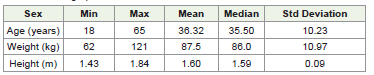
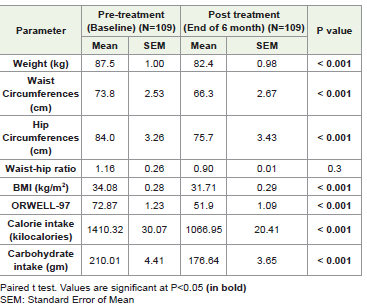
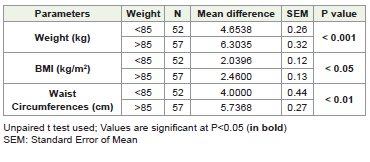
A total of 120 participants with mean age 36 years [Table 1] were
included in the study. The study population comprised of 42 males
(35%) and 78 females (65%) who were obese with mean weight 87.5 kg
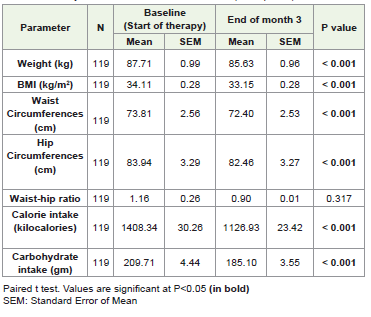
[Table 1]and mean BMI of 34 kg/m² Table 2] and [Figure 1]. There were no drop outs in the study. However, the study had provisions
to exclude participants from the analysis of the results pertaining to
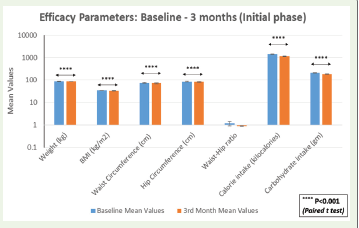
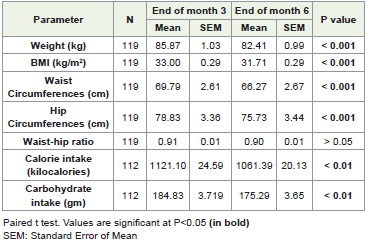
efficacy who had used less than 3/4th of the study medication. Waist
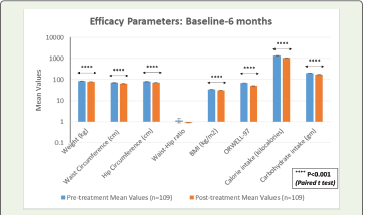
circumference significantly reduced from a baseline mean of 73.81 to
66.27 cm along with decrease in hip circumference [Table 2-4] and
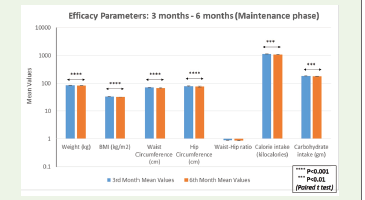
[Figure 1-3]. Caloric and carbohydrate craving reduced substantially
during the initial and the maintenance phase [Table 2,3] and [Figure 1,2]. All the adverse events were mild and transient in nature,
including dry mouth, constipation, headache, fatigue, and muscle
pain indicating a good tolerability profile. An overall improvement
in the quality of life and well-being of participants was indicated by a
decrease in the score of the obesity related well-being questionnaire
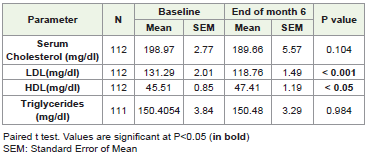
(ORWELL 97). Lipid profile showed favorable improvement with
significant reduction in the LDL cholesterol from 131.29 mg/dl
at baseline to 118.76 mg/d1 (9.5% reduction) at the end of the 6th
month along with statistically significant increase in the HDL levels
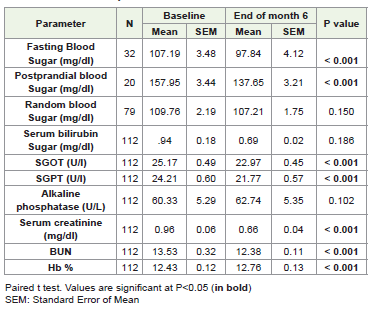
(4.2%) [Table 6]. There was also a statistically significant decrease in
fasting (from 107.19 mg/dl to 97.84 mg/dl; 8.6%) and postprandial
(from 157.95 mg/dl to 137.65 mg/dl; 12.85%) glucose levels post 6
months of treatment from baseline [Table 7] . The weight reduction
was gradual with minimal side effects in most study participants.
Overall, the data suggests that Belite has a positive effect in reducing
key metrics associated with obesity.
Discussion
Belite is a combination of green tea extract 350 mg, Griffonia
simplicifolia extract 100 mg, Purified Saccharum ofiicinarum wax
20 mg). Such a combination of the two listed constituents has not
been assessed previously in the management of obesity. The study
has yielded promising results, indicating its efficacy in reducing key
metrics associated with obesity. The study demonstrated significant
reductions in mean body weight, Body Mass Index (BMI), and
waist circumference over a six-month period. These findings are
particularly relevant given the global obesity epidemic and the urgent
need for effective weight management strategies. The ability of Belite
to facilitate such reductions suggests that it may serve as a viable
adjunct or alternative to traditional pharmacological interventions.
The substantial weight loss observed in participants aligns with
findings from other studies investigating herbal formulations for
obesity management [9,11]. Research has shown that various herbal
products can enhance metabolic processes, suppress appetite, and
promote fat oxidation [10,13]. For instance, studies on other herbal
blends have reported significant reductions in body weight and waist
circumference similar to those seen with Belite [20]. This positions
Belite within a broader context of emerging herbal therapies that
target obesity, offering a potential solution for individuals seeking
natural alternatives to conventional weight loss medications.
In addition to weight loss, the study reported improvements
in lipid profiles among participants using Belite. Specifically,
reductions in LDL cholesterol and increases in HDL cholesterol
were noted similar to previously reported studies [17,18]. These
changes are critical as dyslipidemia is often associated with obesity
and significantly increases cardiovascular risk. Previous studies
have highlighted the role of herbal formulations in improving lipid
metabolism, suggesting that Belite may contribute not only to weight
management but also to cardiovascular health [19]. Additionally,
significant decreases in both fasting and postprandial blood sugar
levels were noted among participants using Belite. This effect is
particularly relevant given the strong association between obesity and
type 2 diabetes [1].
The study also found significant reductions in caloric intake
and carbohydrate cravings among participants using Belite. This
finding is noteworthy because controlling dietary intake is essential
for successful weight management [7,13,16]. Herbal formulations
have been shown to influence appetite-regulating hormones, thereby
aiding individuals in adhering to dietary restrictions necessary for
weight loss [21]. By reducing cravings, Belite may enhance dietary
compliance, making it easier for users to achieve their weight
management goals. Improvements in quality of life, as measured by
the ORWELL-97 questionnaire, further highlight the holistic benefits
of using Belite for obesity management [8]. This finding aligns with
other research indicating that effective weight management positively
impacts overall well-being [6].
The good tolerability of Belite, with minimal side effects reported during the study, is another significant advantage [22,23]. Common adverse events such as dry mouth, constipation, headache, fatigue, and muscle pain were mild and transient, and less severe than those associated with many conventional obesity medications. The favorable safety profile of Belite enhances its appeal as a treatment option for individuals seeking alternatives to traditional pharmacotherapy, which often comes with a higher risk of adverse effects.
Despite these promising results, the study emphasizes the need for further long-term research to explore the potential benefits of Belite for related comorbid conditions such as dyslipidemia and diabetes mellitus. As obesity is frequently accompanied by metabolic disorders, understanding how Belite influences these conditions over extended periods will be crucial for establishing its role in comprehensive obesity management strategies [6]. Future studies should aim to include diverse populations and longer follow-up durations to fully assess the long-term efficacy and safety of Belite [24]. As healthcare continues to evolve towards more integrative approaches, products like Belite may play an essential role in addressing the complexities of obesity management while minimizing adverse effects commonly associated with conventional therapies.
The good tolerability of Belite, with minimal side effects reported during the study, is another significant advantage [22,23]. Common adverse events such as dry mouth, constipation, headache, fatigue, and muscle pain were mild and transient, and less severe than those associated with many conventional obesity medications. The favorable safety profile of Belite enhances its appeal as a treatment option for individuals seeking alternatives to traditional pharmacotherapy, which often comes with a higher risk of adverse effects.
Despite these promising results, the study emphasizes the need for further long-term research to explore the potential benefits of Belite for related comorbid conditions such as dyslipidemia and diabetes mellitus. As obesity is frequently accompanied by metabolic disorders, understanding how Belite influences these conditions over extended periods will be crucial for establishing its role in comprehensive obesity management strategies [6]. Future studies should aim to include diverse populations and longer follow-up durations to fully assess the long-term efficacy and safety of Belite [24]. As healthcare continues to evolve towards more integrative approaches, products like Belite may play an essential role in addressing the complexities of obesity management while minimizing adverse effects commonly associated with conventional therapies.
Acknowledgements
We thank the study participants who agreed to take part in the
study, Data Safety Monitoring Board (DSMB) members, Panacea
Biotec Ltd. management, expanded study team & all the study staff
at each site.
Conflict of interest:
The authors declare that they are full-time employees of Panacea
Biotec Ltd, New Delhi, which has developed the candidate herbal antiobesity
formulation, Belite. This multicentric efficacy & tolerability
study pertaining to Belite, has been funded by Panacea Biotec Ltd.References
1. WHO (1997) Obesity: preventing and managing the global epidemic. Geneva: World Health Organization.
Citation
Kanchan V, Patil CS, Danish MI, Bhatt Y, Sharma S, et al. Efficacy and Tolerability of Belite in the Management of Obesity: A Multicentric Study. Indian J Nutri. 2026;13(1): 343.