


Review Article
Nutritional Profile and Therapeutic Properties of Horse Gram (Macrotyloma uniflorum)
Arya C and Divya*
Department of Home Science, D.S.B. Campus, Kumaun University, Nainital, Uttarakhand, India
*Corresponding author: Divya, Department of Home Science, D.S.B. Campus, Kumaun University, Nainital, Uttarakhand, India. E-mail Id: divya23kohli@gmail.com
Article Information: Submission: 02/11/2025; Accepted: 20/11/2025; Published: 24/11/2025
Copyright: © 2025 Arya C, et al. This is an open access article distributed under the Creative Commons Attribution License, which permits unrestricted use, distribution, and reproduction in any medium, provided the original work is properly cited.
Abstract
Horse gram (Macrotyloma uniflorum) is highly nutritious an underutilized legume predominantly grown in India, particularly in semi-arid and hilly regions. It is recognized for its rich nutritional and medicinal properties. It is an excellent source of plant-based protein, essential amino acids, dietary fiber, essential
minerals such as calcium and iron. Beyond its macronutrient and micronutrient content, horsegram is rich in bioactive phytochemicals including phenolic acids, flavonoids, phytosterols, tannins, saponins, and phytic acid, which contribute to its antioxidant, anti-inflammatory, anti-diabetic, and lipid-lowering activities.
It has been traditionally used for managing various ailments such as kidney stones, inflammation, and other metabolic disorders. Horse gram remains underutilized in mainstream diets despite its traditional use, and medicinal and health-promoting properties. Recent studies have demonstrated its potential role in preventing and managing chronic disorders such as cardiovascular diseases, diabetes, and obesity. Its application in traditional medicine, support its therapeutic efficacy. Despite these benefits, horse gram remains neglected in modern diets and agricultural system. This review aims to highlight the nutritional profile, bioactive phytochemical constituents, anti-nutritional factors, and therapeutic properties of horse gram.
Keywords: Horse Gram; Macrotyloma uniflorum; Underutilized Legume; Bioactive Compounds; Phytochemicals; Anti-Nutritional Factors; Functional Food
Introduction
Horse gram (Macrotyloma uniflorum) is a drought-resistant pulse
crop belonging to the family Fabaceae and genus Macrotyloma. It is
widely cultivated in India for its highly nutritious seeds. This pulse
crop has its origin in Southeast Asia and tropical Africa, and Southern
India is recognized as its primary center of origin. In India, Horse
gram is mainly cultivated in the states of Karnataka, Andhra Pradesh,
Odisha, Tamil Nadu, Madhya Pradesh, Chhattisgarh, Bihar, West
Bengal, and Jharkhand as well as in foot hills of Uttarakhand and
Himachal Pradesh in India [1-3].
Horse gram (Macrotyloma uniflorum) is an indigenous legume that has historically played an important role in the traditional diets of rural and hilly regions of India. Though categorized as a neglected underutilized pulse crop, recent scientific interest has spotlighted its potential as a nutrient-dense, climate-resilient food with a wide range of therapeutic properties. Horse gram is known by various regional names such as kulthi, kulattha, kollu, gahat, kurti-kalai, kolatha, ullavallu, and madras gram. Horse gram is well adapted to semi-arid and marginal environments and requires minimal agricultural input, making it highly suitable crop for sustainable farming systems [1,2] From a nutritional perspective, horse gram is rich in plant-based protein, complex carbohydrates, dietary fiber, essential minerals, and vitamins. It provides a well-balanced amino acid profile and is particularly abundant in iron, calcium, phosphorus and molybdenum and many vitamins like niacin, thiamine, and riboflavin [1,4]. In addition to its macronutrient and micronutrient profile, horse gram contains a rich array of bioactive compounds, including polyphenols, flavonoids, phytosterols, tannins, saponins, and phytic acid. These compounds have been associated with antioxidant, anti-inflammatory, antidiabetic, hypolipidemic, and antimicrobial activities [5-8]. These nutritional attributes have led researchers to classify horse gram as a promising crop for addressing protein energy malnutrition and micronutrient deficiencies in low-income populations [9].
Horse gram (Macrotyloma uniflorum) is an indigenous legume that has historically played an important role in the traditional diets of rural and hilly regions of India. Though categorized as a neglected underutilized pulse crop, recent scientific interest has spotlighted its potential as a nutrient-dense, climate-resilient food with a wide range of therapeutic properties. Horse gram is known by various regional names such as kulthi, kulattha, kollu, gahat, kurti-kalai, kolatha, ullavallu, and madras gram. Horse gram is well adapted to semi-arid and marginal environments and requires minimal agricultural input, making it highly suitable crop for sustainable farming systems [1,2] From a nutritional perspective, horse gram is rich in plant-based protein, complex carbohydrates, dietary fiber, essential minerals, and vitamins. It provides a well-balanced amino acid profile and is particularly abundant in iron, calcium, phosphorus and molybdenum and many vitamins like niacin, thiamine, and riboflavin [1,4]. In addition to its macronutrient and micronutrient profile, horse gram contains a rich array of bioactive compounds, including polyphenols, flavonoids, phytosterols, tannins, saponins, and phytic acid. These compounds have been associated with antioxidant, anti-inflammatory, antidiabetic, hypolipidemic, and antimicrobial activities [5-8]. These nutritional attributes have led researchers to classify horse gram as a promising crop for addressing protein energy malnutrition and micronutrient deficiencies in low-income populations [9].
Increasing evidences from both in-vitro and in-vivo studies
underscores the therapeutic potential of horsegram as a functional
food or nutraceutical. In Uttarakhand, horse gram is traditionally
known as “Gahat” and it is an integral part of the local diet and
culture. It is consumed especially during winter in the form of
traditional dishes such as gahat dal, gahat paratha, and gahat soup.
Its warming properties are believed to help in maintaining body heat
and strength during the cold season. It is well known in local folk
medicine as it is effective in managing kidney stones and urinary tract
health, due to its traditional use as a diuretic and litholytic agent [4,
6]. Its traditional use in Ayurveda and Siddha medicine systems also
highlights its role in treating ailments such as common cold, throat
infections, fever, asthma, abdominal lumps, piles, hiccups, piles, and
perspiration diabetes, jaundice, cholesterol, jaundice, and menstrual
disorders (amenorrhea), bile stones, diabetes, flatulence, edema,
goiter. Studies have demonstrated that the consumption of horse
gram helps in reducing oxidative stress, managing blood glucose
levels, lowering cholesterol, and even improving kidney function
[3,6,10,11].
Despite its nutritional value and resilience, horse gram has declined
in cultivation due to dietary changes, migration, and limited market
access. It remains underutilized in mainstream agriculture and global
trade, largely due to low consumer awareness and demand. Horse
gram represents a valuable link between traditional diets and modern
nutrition. Promoting its use can enhance biodiversity, support food
security, and combat under nutrition and lifestyle-related diseases.
Since it is a nutritious pulse this review explores nutritional profile,
bioactive phytochemical constituents, anti-nutritional factors, and
therapeutic properties of horse gram (Macrotyloma uniflorum).
Nutritional Composition of Horse Gram (Macrotyloma uniflorum):
Horse gram is known for its rich nutritional profile, offering
macronutrients and micronutrients, essential minerals, dietary fiber
and phytochemicals. Its composition varies slightly depending on the
variety and growing conditions.1. Macronutrient Composition:
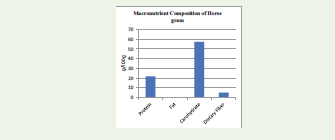
CarbohydratesHorse gram (Macrotyloma uniflorum) is a rich source of complex carbohydrates, accounting for approximately 55-65% of its dry seed weight, including starches and non-digestible oligosaccharides such as raffinose and stachyose [6,12]. The carbohydrate content in dehulled horse gram seeds ranges from 51.9% - 60.9% [13]. Horse gram contains about 3.69% oligosaccharides, along with smaller amounts of disaccharides (sucrose and maltose) and monosaccharides (glucose, fructose, galactose, arabinose, and inositol). These complex carbohydrates contribute to its low glycemic index, which supports better glycemic control and reduces the risk of metabolic disorders. The slow and sustained release of glucose into the bloodstream makes it particularly beneficial for diabetic diets [5,14]. The resistant starch found in the horse gram is considered a prebiotic and part of the new generation of dietary fibers [6].
Protein and Amino Acids:
Horse gram (Macrotyloma uniflorum) is a rich source of plant based
protein [12,14], ranging from approximately 17.9 to 25.3%
on a dry weight basis [4]. It contains appreciable levels of essential
amino acids such as lysine, leucine, valine, histidin and arginine,
contributing to its nutritional value as a legume-based protein source.
However, like many other legumes, horse gram is low in methionine
and trptophan [1,12,15].Lipids and Fatty Acids:
Horse gram (Macrotyloma uniflorum) contains a low amount of
total fat, generally ranging from 0.6% to 2.9% on a dry weight basis,
depending on the genotype and processing method [4,16]. The
lipid fraction is mainly composed of unsaturated fatty acids such as
linoleic, oleic, linolenic, and palmitic acids, while smaller quantities
of stearic, myristic, and arachidic acids are also present. Horse gram
seeds possess very low levels of oxidized fatty acids. Linoleic acid,
an essential fatty acid, accounts for about 45.58% in raw seeds and
40.33% in toasted seeds [1,6,12]. The crude fat content of whole seeds
(0.70–2.06%) is slightly less than that of dehulled seeds (0.81–2.11%).
Overall, raw seeds of horse gram serves as a good source of essential
fatty acids, comprising approximately 27.5% saturated (21.97%
palmitic, 2.85% arachidic, 2.32% stearic, and 0.36% myristic acids)
and 72.49% unsaturated fatty acids (42.78% linoleic, 16.15% oleic, and
13.56% linolenic acids). These unsaturated fatty acids are associated
with improved cardiovascular function and lipid metabolism
[17].2. Micronutrient Composition:
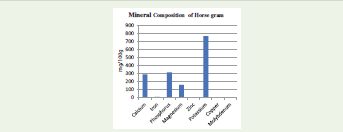
MineralsHorse gram (Macrotyloma uniflorum) is a rich source of essential minerals, including calcium, phosphorus, magnesium, potassium, iron, and zinc. Horse gram provides high calcium content compared to other legumes, and appreciable levels of molybdenum, manganese, and copper, as well as trace amounts of nickel. These minerals contribute to bone health, hemoglobin formation, muscle function, and enzymatic activity [1,4].
Vitamins:
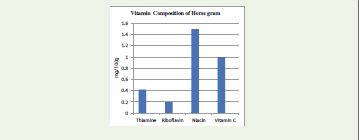
Horse gram (Macrotyloma uniflorum) contains moderate levels
of B-complex vitamins, particularly thiamine (B₁), riboflavin (B₂),
niacin (B₃), folate (B₉) and vitamin C. Horse gram has a lower vitamin
content compared to other legumes. Germination has been shown to
enhance riboflavin and niacin levels, although thiamine content may
slightly decrease [4,5].Dietary Fiber:
Horse gram (Macrotyloma uniflorum) is abundant in dietary
fiber, including resistant starch and oligosaccharides. Horse gram is
a good source of both soluble and insoluble dietary fiber including
β-glucan, cellulose, hemicellulose, lignin and pectin. It contains
approximately (28.8%) total dietary fiber, with the majority as
insoluble fiber (27.82%) and a smaller portion as soluble fiber (1.13%),
whereas horse gram flour contains 16.3% total dietary fiber (14.9%
insoluble and 1.4% soluble and 2.2% resistant starch). Resistant starch
is considered a key prebiotic component and contributes significantly
to horse grams value as a functional food. This fiber profile supports
bowel regularity, helps lower serum cholesterol, and contributes to
better glycemic control [5,9,13,14].Moisture and ash content:
Higher mineral content in horse gram corresponds to higher ash
content. Horse gram seeds contain 10.80% moisture and 4.26% ash
content [2]. Germinated horse gram has reduced moisture 7.60% and
ash content 3.07% [18,19].(Table 1) summarizes the nutritional composition of horse gram:
Bioactive Compounds and Phytochemical Constituents of Horse Gram (Macrotyloma uniflorum):
Horse gram (Macrotyloma uniflorum) is not only a rich source of
basic nutrients it also contains a wide range of bioactive compounds
that contribute significantly to its functional and therapeutic
properties. Horse gram contains various phytochemicals such as
phenolic acids, flavonoids, tannins, saponins, phytosterols, phytic
acid, and enzyme inhibitors. Many of these compounds possess
antioxidant, anti-inflammatory, anti-diabetic, and anti-urolithiatic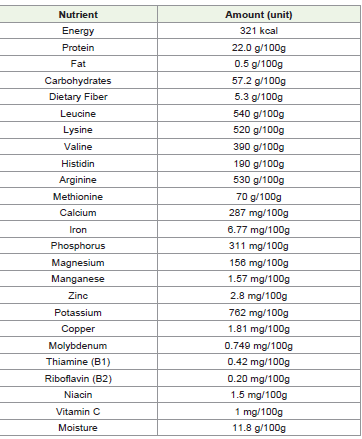
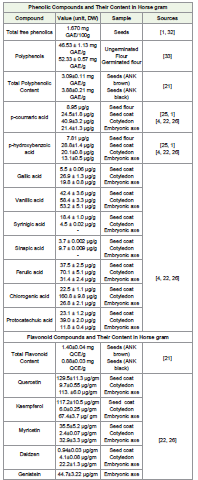
properties, supporting the use of horse gram as a functional food and
nutraceutical food [1,5,21,22].
1. Phenolic Compounds:
Phenolic compounds are the most abundant class of bioactives
present in horse gram (Macrotyloma uniflorum). Phenolic
compounds, though reported to exhibit mild anti-nutritional
effects at higher concentrations, are primarily recognized for their
potent bioactive and health promoting roles in horse gram. They
exhibit strong antioxidant and anti-inflammatory properties. These
properties contribute to free radical scavenging, reduction of oxidative
stress, and the prevention of chronic diseases such as cardiovascular
disorders, diabetes, obesity, cancer, and neurodegenerative conditions
[1,5]. Variations in the total phenolic content have been documented
and are significantly influenced by cultivars, extraction methods, and
processing techniques such as soaking, germination, and thermal
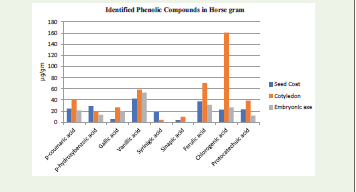
treatments [23,24]. Several phenolic acids have been identified in horse
gram including gallic acid, vanillic acid, syringic acid, chlorogenic
acid, sinapic acid, ferulic acid, ellagic acid, p-hydroxybenzoic acid
and p-coumaric acid. These compounds contribute significantly to its
antioxidant capacity and potential health benefits [1,7,14,25].2. Flavonoids:
Flavonoids are an important group of polyphenolic compounds
present in horse gram. Horse gram (Macrotyloma uniflorum)
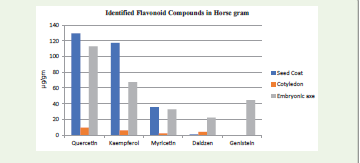
contains flavanoids such as quercetin, kaempferol, myricetin,
daidzein, genistein, luteolin, and apigenin. These compounds are
associated with antioxidant, anti-inflammatory, anti-diabetic, antihyperglycemic,
and cardioprotective potential, contributing to the
overall health promoting properties of horse gram. These compounds
modulate biological processes by influencing cellular signaling
pathways, inhibiting oxidative enzymes, and regulating glucose
metabolism [1,5,6,22].3. Phytosterols:
Horse gram also contains phytosterols, particularly β-sitosterol
and stigmasterol. β-Sitosterol, detected in the seeds and roots of horse
gram, is considered one of its key phytosterols and may contribute
to its traditional applications in managing urinary disorders and
urolithiasis. Beyond this, β-sitosterol is recognized for its cholesterol lowering
and anti-inflammatory properties and protection against
benign prostatic hyperplasia [7,8,26,27].4. Tannins:
Tannins are a class of polyphenolic compounds responsible
for the characteristic astringency and, to some extent, the antinutritional
effects of legumes. However, at moderate concentrations,
they exhibit several health-promoting effects, including antioxidant,
antimicrobial, anti-inflammatory, wound-healing (cicatrizant), and
anti-HIV properties [1, 28]. Tannins also support digestive health and,
along with total phenolics, help combat oxidative stress by scavenging
free radicals, thereby reducing the risk of chronic diseases such as
cardiovascular disorders and certain cancers. Horse gram contains
substantial amounts of tannins, particularly condensed tannins
[1]. Processing methods such as soaking, boiling, and germination
have been shown to significantly reduce tannin content, thereby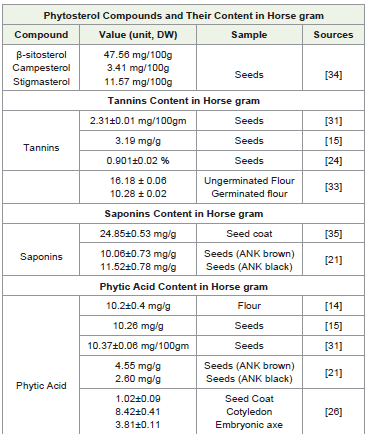


enhancing nutrient availability and overall nutritional quality [15,29,30]. In horse gram seeds, the tannin content was significantly reduced by 69.3% after fermentation and by 54.6% during germination [29]. Fermented germinated and fermented cooked horse gram flours have
been reported to be effective in reducing tannin content (61.3% and
62.5%) [30].
5. Saponins:
Saponins are bioactive compounds naturally present in horse
gram. They are known for their cholesterol-lowering, antioxidant,
anti-inflammatory, and immune-supporting properties. In traditional
medicine, the presence of saponins in horse gram has been associated
with its use in managing diabetes, hyperlipidemia, and kidney
stones [4]. These compounds may also improve nutrient absorption
by increasing the functional capacity of the intestinal epithelium.
However, excessive intake can lead to digestive discomfort. The
saponins content in horse gram seeds generally ranges from 1.0% to
2.5% of the dry seed weight [21,14]. As saponins are heat-sensitive,
thermal processing methods such as boiling and roasting significantly
reduce their content, while non-thermal treatments like soaking
and germination also help decrease saponin levels and improve the
digestibility and palatability of the seeds [21,29,30].6. Phytic Acid:
Phytic acid is a naturally occurring phosphorus compound found
in horse gram, with a dual role. Phytic acid is a known anti-nutrient,
as it can inhibit the absorption of minerals such as iron, zinc, and
calcium by forming insoluble complexes. It also exhibits antioxidant,
anti-cancer, anti-aging and anti-inflammatory properties when
consumed in moderation. It reduces the risk of heart disease, renal
stones, and diabetes mellitus and neurodegenerative diseases [4, 13-
14]. Raw horse gram seeds typically contain 0.83% to 1.1% phytic
acid by weight. Processing methods such as soaking, germination,
fermentation, and thermal treatment are effective in significantly
reducing phytate levels, thereby enhancing mineral bioavailability
without compromising the health benefits. While phytates may
hinder mineral absorption, they also play a protective role by
inhibiting lipid peroxidation [15,31]. In horse gram seeds, the phytic
acid content was significantly reduced by 69.5% after fermentation
and by 61.6% during germination [29]. Fermentation of germinated
and cooked horse gram flours has been reported to be effective in
reducing phytate content (54.1% and 46.8%) [30].Tannins, saponins, and phytic acid, though commonly regarded as anti-nutritional factors, possess strong antioxidant and therapeutic properties that contribute significantly to the health-promoting potential of horse gram. Hence, these compounds have been discussed under bioactive compounds in this review to emphasize their beneficial roles along with their anti-nutritional aspects.
Anti-nutritional Factors in Horse gram:
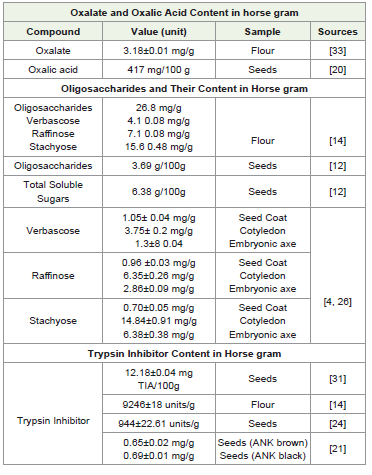
1. OxalatesHorse gram (Macrotyloma uniflorum) contains oxalates, antinutritional factors that bind with essential minerals like calcium, iron and magnesium, forming insoluble complexes which reduce mineral absorption and may increase the risk of kidney stones. The principal oxalate present in horse gram is oxalic acid in significant amount [29,36]. Many traditional processing methods have been shown to reduce oxalate levels, among which fermentation is considered the most effective, as it not only decreases oxalate content but also enhances the biochemical and microbial qualities of horse gram [29-30]. The oxalate content was significantly reduced by 66.7% after fermentation and by 61.6% during germination [29].
2. Oligosaccharides:
Horse gram (Macrotyloma uniflorum) is rich in non-digestible
oligosaccharides, mainly raffinose, stachyose, and verbascose,
belonging to the raffinose family oligosaccharides (RFOs). These
sugars constitute a major portion of the soluble carbohydrates in
the seed. The cotyledon fraction shows the highest concentration,
where RFOs account for about 39% of the soluble sugars. Stachyose
predominates in cotyledons, verbascose in the seed coat, and both
raffinose and verbascose occur in the embryonic axis. While RFOs
exhibit prebiotic benefits, excessive intake may cause gastrointestinal
discomfort [4,13,26]. However, their levels can be significantly
reduced through common processing methods such as soaking,
germination, and cooking [37].3. Lectins (Hemagglutinins):
Lectins, also referred to as hemagglutinins or phytoagglutinins,
are carbohydrate-binding proteins commonly found in leguminous
seeds. In horse gram, lectins are present at moderate levels and are
considered one of the key anti-nutritional factors
[1]. Horse gram
seeds contain lectins, mainly D. biflorus agglutinin (DBA), which
specifically recognize the ‘A’ blood group and can distinguish
between A1 and A2 types, making it useful in blood banks for blood
group testing. DBA is found in varying amounts across in the seeds,
stems, leaves, and roots of horse gram. These lectins can be toxic or
allergenic. However, lectins are heat-sensitive and can be inactivated
by soaking, autoclaving, or traditional cooking methods, such as
boiling, roasting, and pressure cooking, improving the safety and
digestibility of the seeds [38,39].Anti-Nutritional Enzyme Inhibitors in Horse gram:
The major enzyme inhibitors present in orse gram are as follows:Trypsin Inhibitors in Horse gram:
Horse gram contains trypsin inhibitors, a class of anti-nutritional
factors that interfere with protein digestion by inhibiting the enzyme
trypsin. These inhibitors may cause pancreatic hypertrophy due to
overstimulation of enzyme production. Processing methods such as
soaking, germination, roasting, and autoclaving have been shown
to effectively reduce trypsin inhibitor activity in horse gram. These
treatments enhance protein digestibility and improve the overall
nutritional quality of the seeds [15,29,31]. Among these, germination
proved particularly effective, with a 72-hour germination period
resulting in a 28.57% reduction in trypsin inhibitor content [31].
Although excessive levels can impair protein utilization, moderate
amounts may help regulate glucose release into the bloodstream.
Moreover, trypsin inhibitors possess anti-inflammatory and
anticancer properties and contribute to maintaining digestive health
and reducing obesity [40].Protease inhibitors and Urease inhibitors:
Horse gram contains protease and urease inhibitors which
can reduce protein digestibility by forming stable complexes with
digestive enzymes such as trypsin and chymotrypsin
[1]. The protease inhibitors found in horse gram are similar to Bowman-Birk
type inhibitors, which are characterized by low molecular weight,
high disulfide content, and the ability to inhibit both trypsin and
chymotrypsin independently or simultaneously. While excessive
amounts may affect nutrient utilization, these compounds also
contribute to gut health and exhibit antimicrobial properties [4,13].
Processing techniques such as boiling, roasting, and fermentation
can reduce their concentration, thereby enhancing the nutritional
quality of horse gram [30]. Furthermore, protease inhibitors exhibit
therapeutic potential against HIV, cancer, and neurodegenerative
diseases by specifically targeting key enzymes
[41].Health Benefits of Horse gram (Macrotyloma uniflorum):
Horse gram (Macrotyloma uniflorum) is a highly nutritious
legume with a wide range of health benefits, especially valued in
traditional and functional foods. Its rich composition of bioactive
compounds such as phenolics, flavonoids, and protein fractions
contributes to its therapeutic potential. Several studies across India
have demonstrated the positive effects of horse gram consumption on
various health outcomes.Antioxidant Properties:
Horse gram (Macrotyloma uniflorum) possesses strong
antioxidant properties mainly due to its high levels of phenolic and
flavonoid compounds. Its seed extracts effectively scavenge free
radicals, reduce oxidative stress, and protect the liver from damage
caused by toxins or high-fat diets [42-44].Anti-Diabetic Properties:
Horse gram contains α-amylase and α-glucosidase inhibitors,
which slow carbohydrate digestion and glucose absorption. Horse
gram exhibits hypoglycemic activity due to high dietary fiber and
polyphenolic content. It slows glucose absorption and enhances
insulin sensitivity. Studies indicate its efficacy in lowering postprandial
blood glucose levels [7,45-47].Anti-Obesity Properties:
Horse gram promotes satiety and improves digestion due to
its fiber and protein content. It also improves lipid metabolism,
supporting obesity management. Polyphenols and dietary fiber in
horse gram help in reducing body weight and serum cholesterol by
enhancing fat metabolism and bile acid excretion [3,46,47].Anti-Hyperlipidemic, and Cardioprotective Properties:
Horse gram is rich in polyphenols and flavonoids which act as
natural antioxidants, preventing oxidative stress. This contributes to
the prevention of chronic diseases such as cardiovascular disease
[10]. Its consumption helps reduces LDL cholesterol, increases HDL levels,
regulate blood pressure, improving overall cardiovascular function
[46].Anti-Urolithiatic Activity:
Horse gram (Macrotyloma uniflorum) has long been used in
traditional medicine for preventing and managing kidney stones.
Studies have shown that its seed extracts possess diuretic and stone dissolving
properties. These effects help reduce urinary oxalate,
calcium, and phosphate levels, which lowers the risk of stone
formation [45,47].Antibacterial and Antimicrobial Properties:
Horse gram is known for its anti-inflammatory and antimicrobial
properties, due to its bioactive compounds like phenolic acid,
flavonoids, and tannins. Horse gram extracts have demonstrated
antimicrobial activity against several pathogenic bacteria, including
E. coli, Staphylococcus aureus, Bascillus subtilis, and Pseudomonas
aeruginosa [1,48,49].Anti-Inflammatory and Analgesic Properties:
Horse gram seed extracts demonstrate strong wound healing,
anti-inflammatory and analgesic effects, inhibiting inflammatory
mediators and reducing pain [50,51].Anti-Allergic and Anti-Anaphylactic Properties:
Horse gram (Macrotyloma uniflorum) shows anti-allergic and
anti-anaphylactic properties. It helps relieve allergic conditions such
as hay fever, atopic dermatitis, food allergies, and severe allergic
reactions like anaphylaxis, and may also help reduce allergic asthma
symptoms by lowering leukocyte and eosinophil counts. It further
helps minimize reactions caused by allergens such as pollen, dust,
animal fur, insect bites or stings, and certain foods or medicines [52].Anthelmintic Activity:
Helminth infections are caused by parasitic worms known as
helminthes and the infection is prevalent, particularly in tropical and
subtropical regions. Horse gram (Macrotyloma uniflorum) exhibits
strong anthelmintic activity against Pheretima posthuma. This activity
is mainly attributed to the presence of alkaloids and phytosterols,
which interfere with the worm’s energy metabolism by disrupting
oxidative phosphorylation [53].Anti-Cancer Properties:
Horse gram (Macrotyloma uniflorum) seeds are rich in natural
compounds called protease inhibitors, which have shown promising
potential against cancer. Studies indicate that both the seeds and seed
coat can inhibit the growth of cancer cells in laboratory experiments.
These effects have been observed in several types of cancer cells,
including human bone cancer cells (osteosarcoma) and mouse skin
cancer cells (melanoma), suggesting that horse gram may serve as a
natural source of anticancer agents [35,41,49].Anti-HIV Activity:
HIV is a serious disease, and its frequent changes make it hard to
develop effective drugs. Compounds called dolichin A and dolichin
B, found in horse gram (Macrotyloma uniflorum), may help. These
natural bioflavonoids can interact with important HIV enzymes that
the virus needs to replicate. Studying these interactions could help
scientists understand how horse gram works against HIV and assist
in designing new AIDS treatments [54].Prevent Nutritional Deficiencies:
Horse gram (Macrotyloma uniflorum) is a nutrient-rich legume,
high in iron, calcium, and molybdenum, which contribute to
preventing anemia and supporting bone health, especially in at-risk
populations. It is also rich in protein and folic acid and has good
digestibility, making it an excellent food for combating anemia and
protein-energy malnutrition [3,9].Digestive Health Benefits:
Horse gram (Macrotyloma uniflorum) is rich in dietary fiber,
flavonoids, tannins, phenolics, and beneficial lipids, which promote
gut health and support the treatment of gastrointestinal issues. Its fiber
regulates bowel movements, reduces bloating, and protects against
gastric discomfort. Flavonoids and tannins provide anti-diarrheal
and anti-ulcer effects, while the lipids and fiber aid in healing and
preventing ulcers. Additionally, the fiber and roughage help prevent
piles by promoting smooth bowel movements and reducing strain.
Ayurvedic practices also recommend consuming horse gram for its
gut-protective and ulcer-healing properties [22, 43, 46].Reproductive Health Benefits:
Horse gram is traditionally used for relieving menstrual
discomfort. Its high iron content aids in maintaining hemoglobin
levels, and prevent anemia associated with heavy menstrual bleeding
and excessive vaginal discharge (leucorrhea). It also alleviates
menstrual discomfort and regulates menstrual cycle. Additionally, its
antioxidant compounds may contribute to overall reproductive wellbeing
[1,4].Immune and Respiratory Health Benefits:
Horse gram is traditionally used to support the immune system
and manage common respiratory ailments such as cold, cough,
and fever asthma, bronchitis, throat infection. Its nutrient profile
including, proteins, vitamins, and minerals may help strengthen
immunity and reduce susceptibility to infections [3-4].Skin Health Benefits:
Powdered or paste forms of horse gram improve boils, rashes,
bacterial and fungal infections, and excessive sweating. Its flavonoids
and phenolic compounds protect the skin from UV-induced oxidative
damage [11,55].Anti-Depressant Activity:
Horse gram (Macrotyloma uniflorum) extracts (methanol
and ethanol) can be used as an antidepressant agent and showed
significant result against depression [56,57].Conclusion
Horse gram (Macrotyloma uniflorum) is a nutrient-dense legume
rich in macronutrients and micronutrients. It contains various
bioactive phytochemicals such as phenolics, flavonoids, phytosterols,
tannins, saponins, and phytic acid. These bioactive compounds
contribute to its antioxidant, anti-inflammatory, and other healthpromoting
properties, making it a valuable functional food. Although
it contains certain anti-nutritional factors, their adverse effects can
be substantially reduced by appropriate processing methods such
as dehulling, soaking, boiling, roasting, germination, fermentation,
and autoclaving. Horse gram offers a sustainable, nutritionally rich
food option with proven health benefits. Including horse gram in
the regular diet can be a sustainable and affordable intervention
for managing chronic diseases. Scientific evidence and traditional
knowledge highlight its potential benefits across multiple health
aspects, including immune support, management of respiratory
ailments, metabolic regulation, reproductive health, and chronic
disease prevention. The high protein and mineral content, along with
its bioactive compounds, make horse gram suitable for incorporation
into public health nutrition strategies, particularly in resource-limited
settings.
References
Citation
Arya C, Divya. Nutritional Profile and Therapeutic Properties of Horse Gram (Macrotyloma uniflorum). Indian J Nutri. 2025;12(2): 332.